
Introduction to Tonkatsu
What is Tonkatsu and why is it a must-try?
Tonkatsu is a classic Japanese dish that consists of thick, breaded, and fried pork cutlets. This delicious meal is not only a comfort food but also an iconic part of Japanese cuisine. What sets tonkatsu apart is its delightful contrast between the crispy, golden exterior and the juicy, tender meat inside. Served with finely shredded cabbage, a squeeze of lemon, and a drizzle of tonkatsu sauce, this dish is a flavor explosion that you won't want to miss.
But why exactly should you give tonkatsu a try? For starters, it encapsulates the essence of Japanese cooking—simple ingredients elevated to culinary perfection. According to Kenji López-Alt from Serious Eats, the magic of tonkatsu lies in its technique; the method of deep-frying ensures a delightful crunch and keeps the meat moist and flavorful.
Whether you’re exploring your culinary skills or simply want a satisfying meal, tonkatsu is versatile enough to hold its own on any dinner table. Once you’ve tasted this fusion of textures and flavors, you might find yourself craving it again and again! So, let’s roll up our sleeves and dive into making this delightful dish at home.
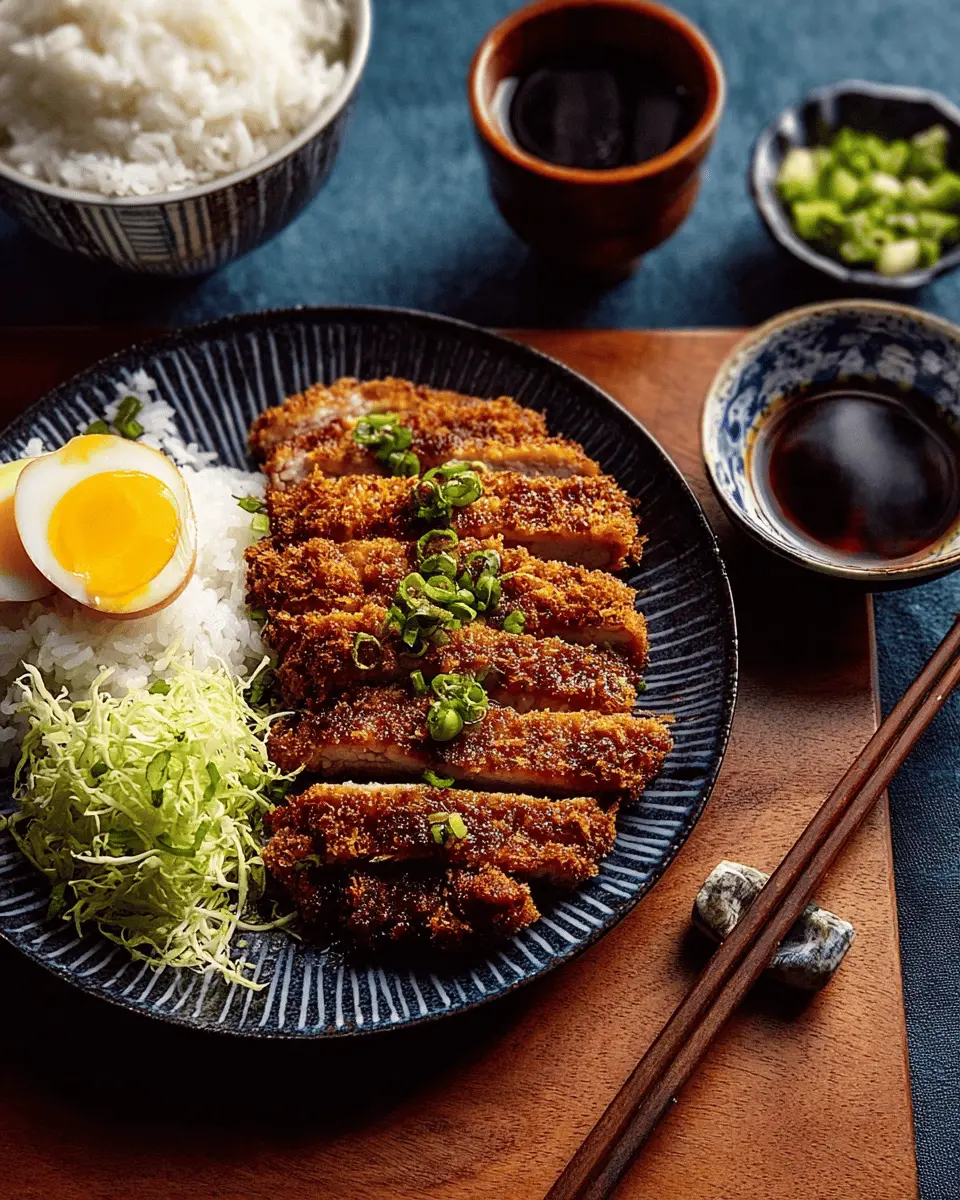
Ingredients for Tonkatsu
Creating the perfect Tonkatsu is all about using the right ingredients. Here’s what you'll need to whip up this delicious Japanese breaded pork cutlet dish!
List of essential ingredients for perfect Tonkatsu
-
Boneless Beef Sirloin Cutlets: You’ll need four cutlets, each weighing about 4 to 5 ounces. This is the star ingredient!
-
Kosher Salt and Freshly Ground Black Pepper: Simple seasonings that enhance the flavor of the beef.
-
Japanese Milk Bread or Panko Breadcrumbs: Use eight slices of day-old Japanese milk bread, or opt for 1 ½ cups of dried panko breadcrumbs for that perfect crunch.
-
All-Purpose Flour: About one cup of flour will help create a light coating on the beef.
-
Eggs: Three large eggs, thoroughly beaten, are essential for binding the breadcrumbs.
-
Oil for Frying: Go for vegetable, canola, or peanut oil to fry until golden brown.
Optional Serving Suggestions
Don’t forget the toppings—finely shredded green cabbage, lemon wedges, cooked short-grain white rice, and tonkatsu sauce are all excellent accompaniments. Looking for a homemade sauce recipe? Check out this guide for a delightful twist!
With these ingredients in hand, you're well on your way to elevating your dining experience with Tonkatsu. Enjoy cooking!
Step-by-Step Preparation of Tonkatsu
Cooking Tonkatsu, or Japanese breaded pork cutlets, is both a delicious and fulfilling culinary adventure. Follow these easy steps to create crispy, juicy Tonkatsu that will impress your friends and family!
Preparing the Beef Cutlets
Start by choosing quality boneless beef cutlets, around 4 to 5 ounces each. Place each cutlet in a heavy-duty zipper-lock bag and gently pound them to about ¼-inch thickness. This not only helps tenderize the meat but also ensures even cooking. After you’ve pounded them, season generously with kosher salt and freshly ground black pepper to enhance the beef's flavor.
Setting Up Your Breading Station
Creating an organized breading station is key to a smooth cooking experience. Set out three shallow bowls or high-rimmed plates. Fill one with all-purpose flour, another with thoroughly beaten eggs, and the third with dried panko breadcrumbs. This setup keeps your hands from getting too messy—one hand for dry ingredients and the other for wet will make the process much easier.
Breading the Cutlets
With your beef cutlets prepared, it’s time for the breading! Working with one cutlet at a time, dredge it in the flour using your first hand, ensuring to shake off any excess. Next, transfer the cutlet to the beaten eggs, flipping it with your second hand to coat it entirely. Allow any excess egg to drip off, and then coat the cutlet in panko breadcrumbs, gently pressing the crumbs into the meat for a good layer. Repeat this for all your cutlets, and set them aside on a clean plate. If you're interested in Tonkatsu variations, some even use Japanese milk bread for a unique texture!
Heating the Oil for Frying
For the perfect Tonkatsu experience, you'll need to fry the cutlets. Fill a large cast iron or stainless steel skillet with about ⅓ inch of oil—vegetable, canola, or peanut oil will work wonderfully here. Heat the oil over high heat until it's shimmering yet just shy of smoking (around 350°F or 175°C).
Frying the Tonkatsu
When the oil is ready, carefully lower each cutlet into the hot oil using tongs, laying them down away from you to prevent splashes. Fry in batches if necessary. Monitor the temperature; the oil should maintain a steady bubble around 300 to 325°F (150 to 160°C). Fry each cutlet for about 1 ½ minutes per side, then flip them to achieve that irresistible golden brown color. Once done, transfer the cutlets to paper towels to drain excess oil and season immediately with salt.
Plating Your Tonkatsu
Finally, it's time to serve your mouthwatering Tonkatsu! Slice the cutlets into thin strips and arrange them beautifully on a plate. Add some finely shredded green cabbage for a crunchy contrast, wedges of lemon for zest, and a serving of cooked short-grain white rice. Drizzle with Tonkatsu sauce for that authentic touch. This dish is perfect for sharing—consider serving some Japanese pickles (sunomono) on the side for an extra treat.
Now that you know how to make Tonkatsu, invite friends over for a delightful meal, or enjoy it as a cozy dinner for yourself! Happy cooking!
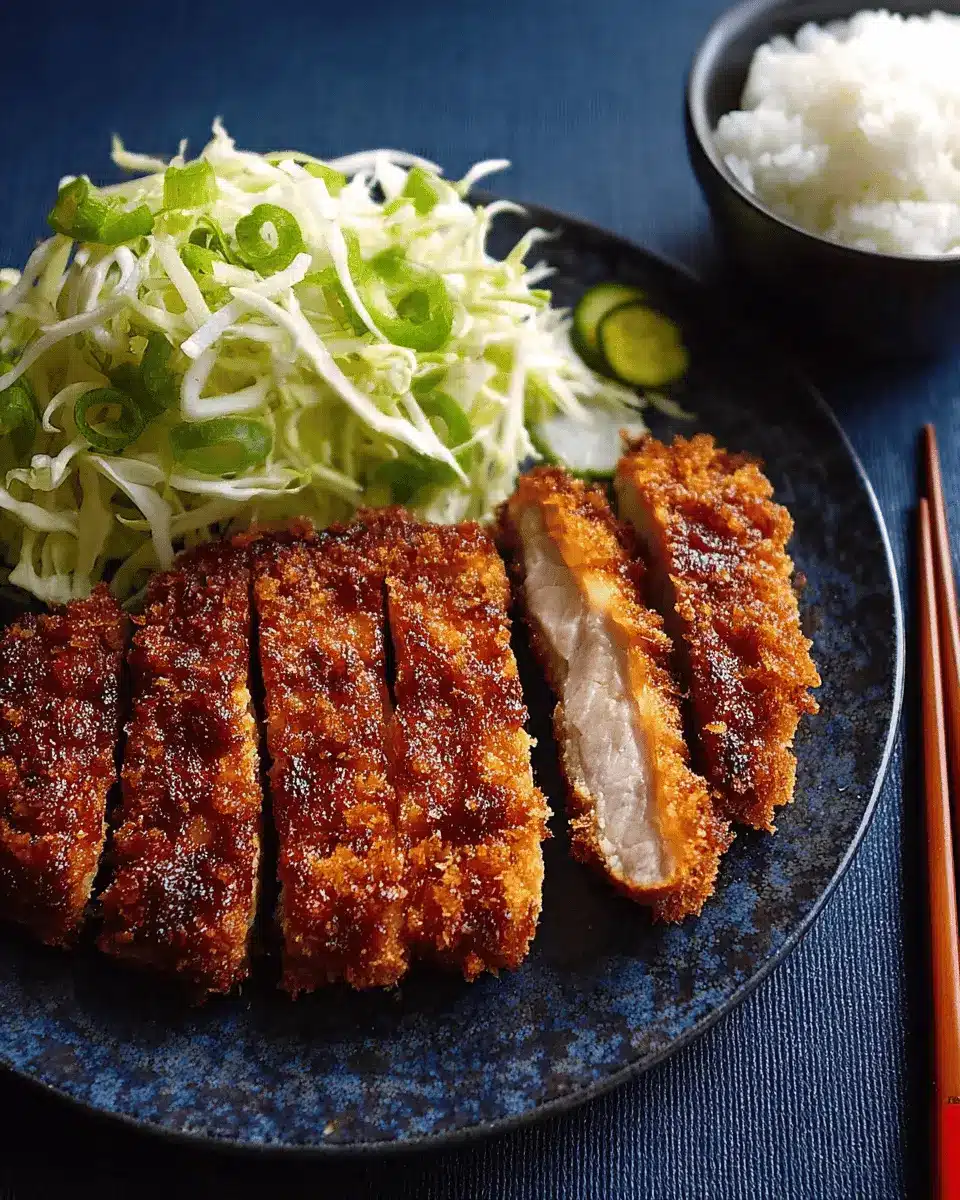
Variations on Tonkatsu
Tonkatsu with Chicken
If you’re looking for a lighter twist on the classic tonkatsu, try using chicken instead of beef. Simply follow the same breading and frying steps. Chicken breasts or thighs work perfectly, creating a succulent and crunchy dish that pairs beautifully with the traditional sides.
Tonkatsu with Beef
For beef lovers, consider using thinly sliced beef sirloin. This variation offers a richer flavor profile that complements the crispy coating beautifully. Just remember to adjust cooking time; beef can cook faster than traditional tonkatsu.
Vegetarian Tonkatsu Options
Vegetarians can join the tonkatsu fun too! Try using eggplant or tofu in place of meat. Slice the eggplant into thick rounds or press and slice the tofu, then follow the same breading procedure for a crispy delight. Serve with a rich soy-based sauce for added umami goodness.
Feel free to explore these variations to suit your taste! If you're interested in more creative ideas, check out this article on vegan adaptations as well.
Cooking Tips and Notes for Tonkatsu
Importance of Oil Temperature
When frying tonkatsu, getting the oil temperature just right is crucial! Aim for between 300°F to 325°F (150°C to 160°C) for a perfect, crispy exterior without burning. If the oil is too cool, the cutlets will absorb excess oil and become greasy. Conversely, if it’s too hot, they may cook unevenly. A reliable thermometer can be your best friend here!
Choosing the Right Bread Crumbs
The choice of breadcrumbs significantly impacts the overall texture of your tonkatsu. Japanese panko breadcrumbs are ideal—they're lighter and create a crispier crust compared to regular breadcrumbs. If you opt to make your own from day-old milk bread, be sure to process them until they’re coarse but not too fine.
Ensuring Even Cooking
For that perfect bite, ensure even cooking of the cutlets. Use a spacious skillet to prevent overcrowding, which can cause uneven cooking. As you fry, gently swirl the oil and rotate the cutlets for consistent browning. This extra care will make all the difference in achieving that delightful crunch and tender pork inside!
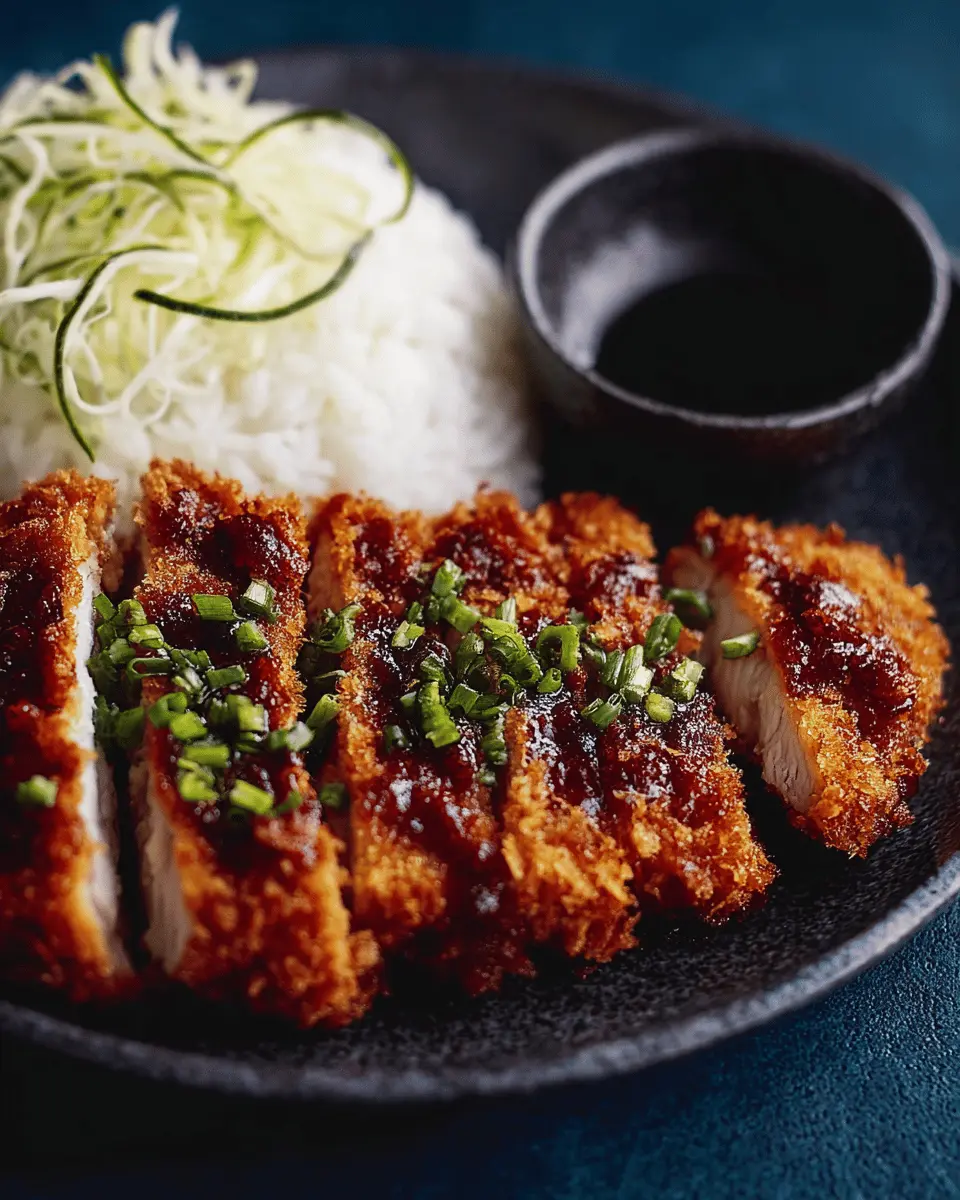
Serving Suggestions for Tonkatsu
Traditional Accompaniments
For an authentic experience, serve your Tonkatsu with finely shredded green cabbage and fragrant lemon wedges. The crispiness of the cabbage and the zesty lemon perfectly balance the richness of the fried cutlet. Pairing it with soft, cooked short-grain white rice will round out the meal beautifully. Don't forget the tonkatsu sauce—it's the finishing touch that brings everything together! For an extra touch of flavor, consider adding Japanese pickles (sunomono) to your plate.
Creative Serving Ideas
Feeling adventurous? Try layering slices of Tonkatsu in a sandwich, with a dash of tonkatsu sauce and fresh veggies. Alternatively, consider serving it on a bed of fragrant rice, topped with a drizzle of sauce and sesame seeds for a bento-style meal. Tossing leftover Tonkatsu in a salad can be a delightful option for lunch, combining textures and flavors in a light yet satisfying dish. Explore more inventive serving ideas here!
Time Breakdown for Tonkatsu
Preparation time
Getting ready for your tonkatsu is a breeze! In just 15 minutes, you’ll have your ingredients prepped and your work area organized.
Cooking time
Cooking up those delicious cutlets will take around 20 minutes. You'll be frying and flipping until they’re golden brown and irresistible.
Total time
Altogether, your total time commitment for this delightful dish is just 35 minutes. Perfect for a weeknight dinner that feels special!
If you’re curious about the unique benefits of tonkatsu, check out this resource on traditional Japanese cooking techniques shared by Serious Eats. Get ready to impress your friends and family with your culinary skills!
Nutritional Facts for Tonkatsu
Calories
A serving of tonkatsu packs around 350 calories, making it a hearty meal option. Paired with crunchy cabbage and rice, it can be both filling and satisfying.
Protein
With about 25 grams of protein per serving, tonkatsu is an excellent source of protein to help fuel your day, especially after a workout.
Carbohydrates
Incorporating tonkatsu into a balanced meal, you'll find it contains roughly 30 grams of carbohydrates, largely from the panko breadcrumbs and accompanying rice. It’s a great way to enjoy those carbs in a flavorful dish!
For more on balanced nutrition, check out The Nutrition Source.
FAQs about Tonkatsu
Can I make Tonkatsu in an air fryer?
Absolutely! Making Tonkatsu in an air fryer offers a lighter, yet still crispy, option. Preheat your air fryer to 375°F (190°C). Follow the breading instructions as usual, then arrange your cutlets in the air fryer basket in a single layer. Cook for 10-12 minutes, flipping halfway through for even browning. The result? Deliciously crispy Tonkatsu without the mess of frying!
What is the best dipping sauce for Tonkatsu?
The classic pairing for Tonkatsu is, of course, Tonkatsu sauce, a tangy and sweet condiment that complements the savory flavor of the pork. You can make your own with a mix of Worcestershire sauce, ketchup, and a hint of sugar, or purchase a bottle from a Japanese grocery store. For a different twist, try dipping in a spicy mayo or even ponzu sauce.
How do I store leftover Tonkatsu?
To keep your Tonkatsu fresh, allow it to cool completely, then wrap it tightly in plastic wrap or place it in an airtight container. Store it in the refrigerator for up to 3 days. For longer storage, consider freezing it; just remember to reheat it in an oven or air fryer to maintain that crispy texture!
Conclusion on Tonkatsu
Why You Should Try Making Tonkatsu at Home
Making tonkatsu at home is a delightful culinary adventure! Not only do you get to enjoy this crispy, golden-brown treat fresh from your kitchen, but you can also customize it to your taste. From experimenting with different sauces to pairing it with your favorite sides, the possibilities are endless. Plus, it’s a fun way to share a piece of Japanese culture with friends and family. So, roll up your sleeves and give it a go—you won’t regret it!
Tonkatsu (Japanese Breaded Pork Cutlets)
Equipment
- Cast Iron Skillet
- Mixing Bowls
- Food Processor
- meat pounder
- tongs
Ingredients
Pork Cutlets
- 4 cutlets boneless pork sirloin cutlets 4 to 5 ounces each
- Kosher salt to taste
- freshly ground black pepper to taste
Breading Mixture
- 8 slices day-old Japanese milk bread or 1 ½ cups dried Japanese-style panko breadcrumbs (about 5 ounces; 140 g)
- 1 cup all-purpose flour (about 5 ounces; 140 g)
- 3 large eggs thoroughly beaten
- Vegetable oil for frying
- canola oil for frying
- peanut oil for frying
To Serve
- finely shredded green cabbage
- lemon wedges
- cooked short-grain white rice
- Japanese-style pickles (sunomono) optional
- tonkatsu sauce Homemade or store-bought
Instructions
Preparation
- Place cutlets, one at a time, in a heavy-duty zipper-lock bag and pound gently to ¼-inch thickness using a meat pounder or the bottom of a heavy 8-inch skillet. Season generously with salt and pepper.
- If using slices of fresh Japanese milk bread: Trim crust from milk bread; discard trimmings. Cut trimmed bread lengthwise into 1 ½-inch-thick batons. Using a food processor fitted with the grater attachment, process bread into coarse flakes.
Breading
- Fill 3 wide, shallow bowls or high-rimmed plates with flour, beaten eggs, and panko, respectively. Dredge each cutlet in flour, then coat with egg, and finally press into breadcrumbs. Transfer to a clean plate and repeat with remaining meat.
Frying
- Fill a large skillet with ⅓ inch oil and heat until shimmering and just shy of smoking, about 350°F (175°C).
- Gently lower cutlets into hot fat, frying in batches if necessary. Fry until golden brown and cooked through, about 3-5 minutes total. Transfer to paper towels to drain and season with salt.
Serving
- Slice tonkatsu into thin strips and serve immediately with shredded cabbage, lemon wedges, white rice, Japanese pickles, and tonkatsu sauce.

Leave a Reply