
Introduction to Homemade Ribeye
Why a homemade ribeye is worth it
When it comes to steak, few cuts can rival the rich flavor and tenderness of a homemade ribeye. Cooking this flavorful cut at home not only allows for greater control over seasoning but also provides an intimate cooking experience that restaurant dining simply can’t match. The satisfaction of perfectly searing a ribeye, with its beautiful marbling, is a culinary accomplishment you’ll cherish.
Did you know that ribeye steaks are widely celebrated among steak enthusiasts for their juicy texture and robust flavor? According to the USDA, ribeye boasts more intramuscular fat than many other cuts, which translates to enhanced taste. Cooking it at home means you can customize the seasoning and side dishes, creating a meal tailored to your taste preferences.
With the right techniques, like butter basting and the use of high-quality ingredients, you can elevate this seemingly simple dish into a gourmet experience. Not only is it a fantastic way to impress friends or family, but it’s also an ideal solution for hectic weeknights when you want to savor a meal that feels indulgent without stepping out. So, let’s dive into making your very own mouthwatering homemade ribeye with roasted garlic pan sauce!
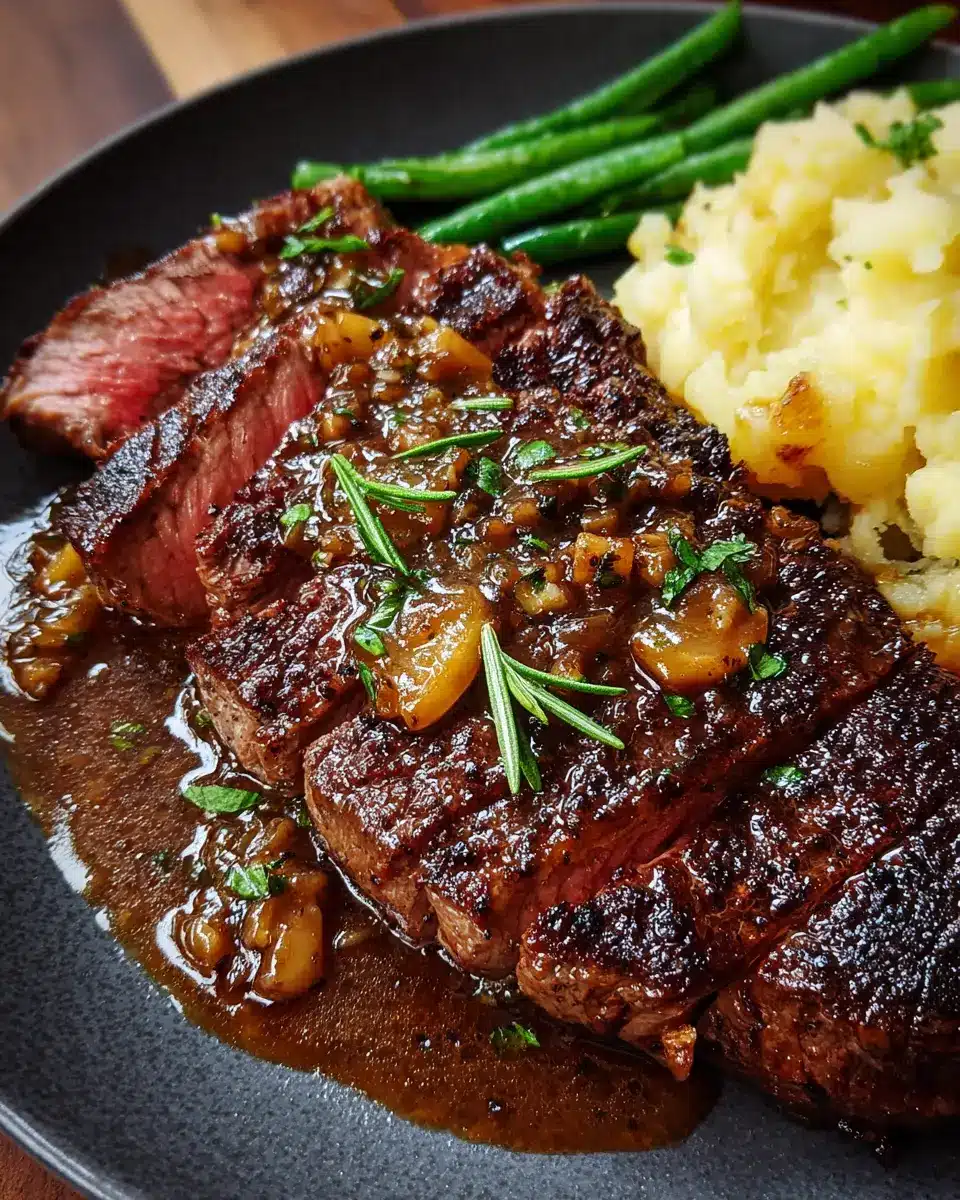
Ingredients for Homemade Ribeye
Essential ingredients for the best ribeye
Creating the perfect homemade ribeye is all about choosing quality ingredients that enhance the natural flavors of the beef. Here’s what you’ll need:
- Ribeye steak: Aim for a large cut, around 1.5 lbs, with a good amount of marbling. This fat will render beautifully during cooking, keeping the meat juicy and tender.
- Unsalted butter: Four tablespoons of butter not only enrich the flavor but also contribute to that delectable crust we all love.
- Olive oil: A high-heat olive oil helps achieve that perfect sear without burning. It’s the ideal base for our skillet.
- Garlic: Four cloves of smashed garlic burst with flavor as they roast in the pan, infusing the steak with a subtle, aromatic richness.
- Salt and black pepper: Keep it simple, but don’t skimp! Generous seasoning is key to bringing out the flavors.
- Fresh chives: Chopped chives add a vibrant, fresh touch when sprinkled on top before serving.
With these essential ingredients, you’re on your way to an incredible, restaurant-quality meal that’s sure to impress. If you’re interested in more tips on selecting cuts of beef, check out the USDA guidelines on meat quality!
Preparing Homemade Ribeye
Cooking a homemade ribeye steak can be an incredibly rewarding experience, especially when you learn the secrets of crafting that perfect dish that’s both luxurious and simple to make. Here’s a step-by-step guide to help you create a mouthwatering ribeye that will impress even the most discerning dinner guests.
Choosing the Perfect Ribeye Steak
The first step to a delicious homemade ribeye is selecting the right steak. Look for a ribeye with good marbling—these are the little flecks of fat throughout the meat that render during cooking, keeping the steak juicy and flavorful. Opt for a steak that is at least 1.5 inches thick for the best results. As you shop, consider your cooking method; if you’re planning to grill, a bone-in ribeye can add extra flavor, while boneless steaks are perfect for pan-searing.
Seasoning the Steak Like a Pro
Don’t skimp on seasoning! Generously coat your ribeye with salt and black pepper on all sides. This not only enhances the flavor but also helps create a beautiful crust during cooking. Some chefs recommend using kosher salt as it adheres well and provides greater control. For an added touch, feel free to incorporate garlic powder or smoked paprika for an extra depth of flavor. Letting the steak sit for about 30 minutes before cooking allows the seasoning to penetrate the meat.
Searing for That Perfect Crust
To achieve the perfect crust on your ribeye, a hot skillet is essential. Heat up a large, heavy skillet—cast iron is ideal—over high heat until it just starts to smoke. Add a drizzle of high-heat olive oil before carefully placing the seasoned steak in the pan. Sear the steak without moving it for 3 to 4 minutes, allowing a deep-brown crust to form. This Maillard reaction is what gives your steak that rich, complex flavor.
Basting Technique Explained
This is the secret sauce—literally! Once you flip your ribeye, reduce the heat to medium-high and add unsalted butter and smashed garlic cloves to the pan. As the butter starts to melt, use a spoon to continually baste the steak with this garlic-infused butter for about 3 to 4 minutes. This technique not only adds richness but also helps keep the meat juicy. If you’d like, you can learn more about the science of basting in this article.
Allow the Steak to Rest
Once your ribeye reaches your desired doneness (about 130°F for medium-rare), it’s time to remove it from the heat. Place the steak on a cutting board or plate and let it rest for at least 5 minutes before slicing. This resting period is crucial; it allows the juices to redistribute throughout the meat, resulting in a tender and flavorful steak. Don’t forget to drizzle some of that delicious roasted garlic pan sauce over the top, and finish with chopped fresh chives for a lovely presentation!
Now, with these tips, you're well on your way to enjoying a perfectly cooked homemade ribeye steak that will keep everyone coming back for more!
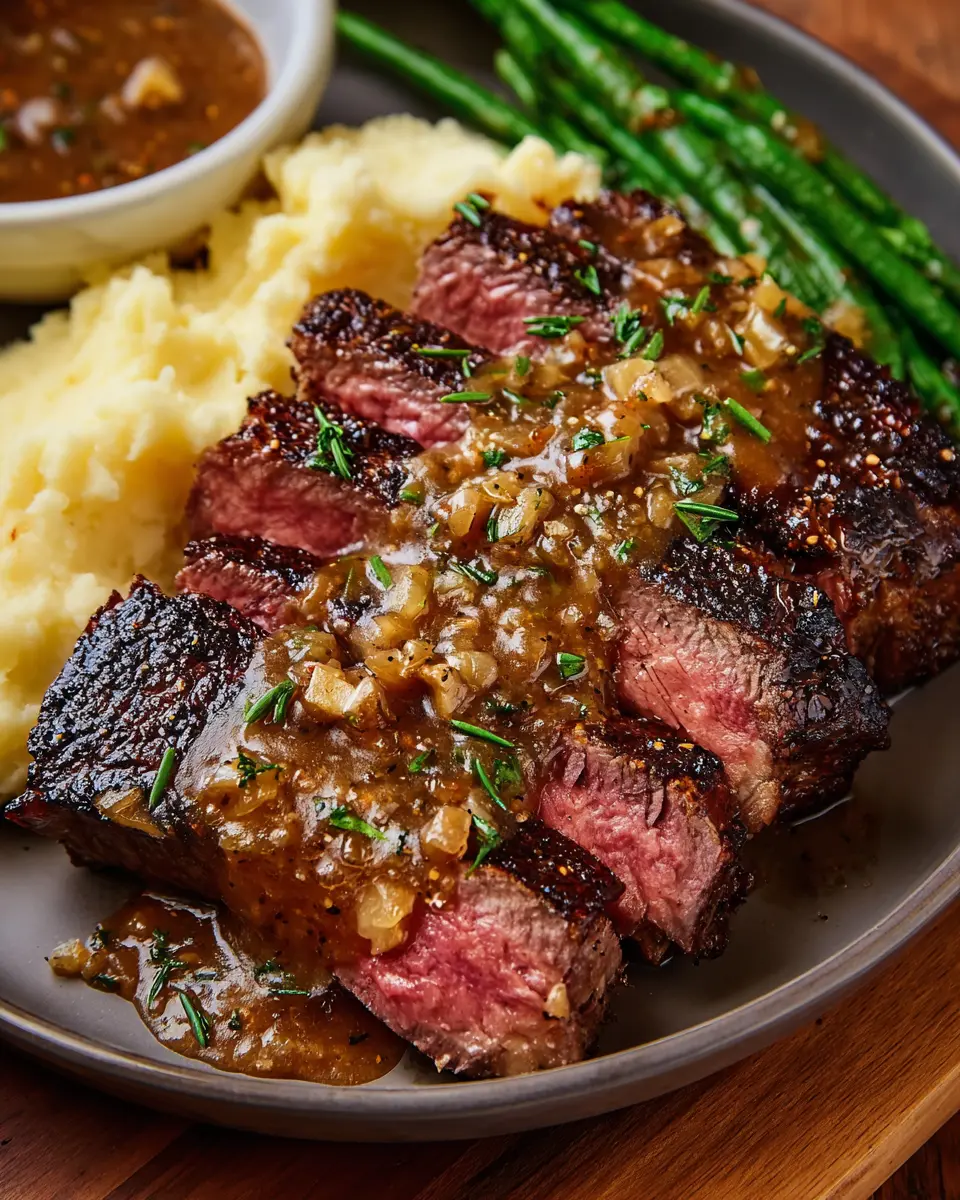
Variations on Homemade Ribeye
Ribeye with Different Garlic Flavors
Transform your homemade ribeye by infusing it with unique garlic flavors. Try using roasted garlic for a sweeter, milder punch or garlic powder for a deeper, more concentrated taste. For a twist, mix in herbs like rosemary or thyme to create an aromatic profile that elevates the savory notes of your steak. Curious about alternative garlic options? Check out this guide on garlic varieties.
Spicy Ribeye Options
If you’re looking to kick things up a notch, consider introducing some heat to your homemade ribeye. A dash of cayenne pepper or a blend of smoked paprika and chili powder can create a tantalizing crust. Alternatively, marinate your steak in a spice rub that combines ingredients like chipotle powder or sriracha for a bold flavor explosion. Your taste buds will thank you! Want to learn more about spice pairings? This resource offers fantastic tips for spicing up your beef dishes.
Cooking Tips and Notes for Homemade Ribeye
Avoiding Common Mistakes
To achieve the perfect homemade ribeye, start by ensuring the steak is at room temperature before cooking; this promotes even cooking. A common error is not drying the steak thoroughly, which can hinder the beautiful crust from forming. Finally, don’t forget to rest your steak after cooking—this allows the juices to redistribute, keeping it juicy and tender.
Tools That Can Make a Difference
Investing in a high-quality cast iron skillet is a game changer when it comes to searing. The excellent heat retention ensures a perfect crust every time. Additionally, a meat thermometer is invaluable for checking the doneness without cutting into the steak. And a good pair of tongs? They're essential for flipping the steak with ease! Consider checking out resources like Serious Eats for more tips on steak cooking techniques.
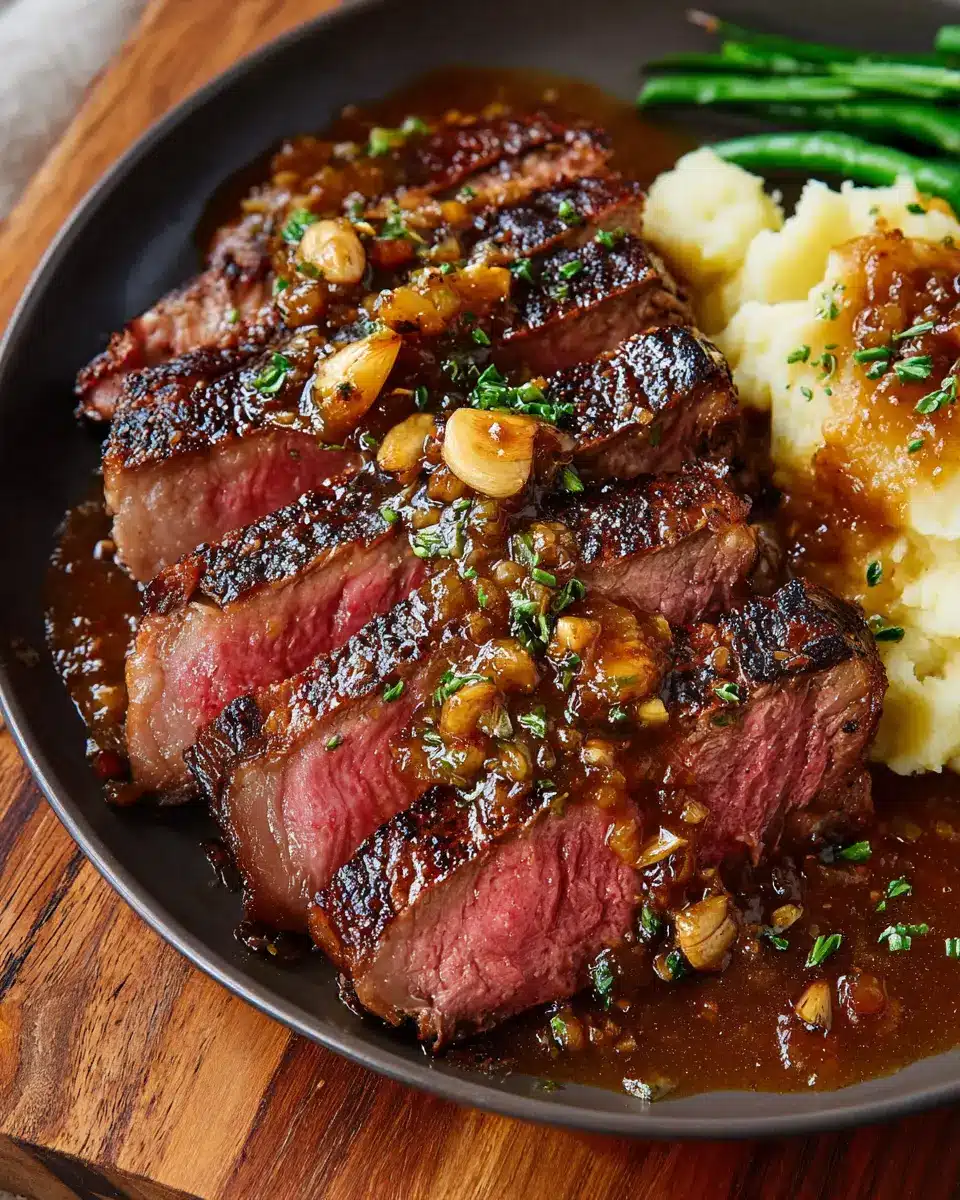
Serving Suggestions for Homemade Ribeye
When you’re serving your homemade ribeye, pairing it with the right sides can elevate your meal to gourmet status.
Best sides to complement your ribeye
For a hearty balance, consider these delectable sides:
- Garlic Mashed Potatoes: The creaminess pairs beautifully with the rich flavors of the ribeye.
- Roasted Brussels Sprouts: Their slight bitterness complements the steak’s richness; just drizzle with balsamic glaze!
- Grilled Asparagus: Adds a touch of freshness and crunch to your plate.
Creative plating ideas
Make your meal aesthetically pleasing! Try:
- Layering: Place a mound of garlic mashed potatoes at the center, with the sliced ribeye off to one side.
- Garnishing: Finish with sprigs of rosemary or thyme for that touch of elegance.
- Colorful Accents: Use vibrant seasonal veggies to add color contrast, making your dish pop.
Enhancing your homemade ribeye experience is just as essential as cooking it to perfection. Enjoy!
Time Breakdown for Homemade Ribeye
Preparation Time
In just 10 minutes, you can prepare everything needed for your delicious homemade ribeye. This includes seasoning the steak and getting your ingredients ready. Simple and quick!
Cook Time
The cooking process takes a mere 8 minutes, allowing you to achieve that beautiful sear and tender texture. With the right technique, you’ll create a steak that’s bursting with flavor and impressive presentation.
Total Time
In only 18 minutes, you can go from raw ingredients to a gourmet homemade ribeye with roasted garlic pan sauce. It’s a perfect option for a busy weeknight or a special occasion without feeling rushed.
Whether you're entertaining guests or just treating yourself, a homemade ribeye can elevate your dining experience. For more tips on steak cooking techniques, check out Serious Eats or learn about flavor pairings from Bon Appétit. You’ll be amazed at how quick and simple it can be!
Nutritional Facts for Homemade Ribeye
When indulging in a homemade ribeye, it’s good to know what each decadent bite brings to the table. Here’s a quick glance at the nutritional facts you can expect:
Calories
A serving of homemade ribeye provides approximately 650 calories, making it a satisfying choice for a protein-rich meal.
Protein
Packed with around 50 grams of protein, this ribeye is an excellent option for those looking to boost their muscle recovery and overall health.
Fats
With about 45 grams of fat, including some heart-healthy options from the butter used in the pan sauce, this dish strikes a delightful balance between indulgence and nourishment.
For more details on how protein plays a vital role in your daily diet, check out this comprehensive guide on protein from Healthline. And if you're curious about the benefits of healthy fats, explore insights provided by the American Heart Association.
Enjoy your cooking and the rich flavors of this homemade ribeye with roasted garlic pan sauce!
FAQs about Homemade Ribeye
How do I know when my ribeye is done?
Determining the doneness of your homemade ribeye is simple yet important for achieving the perfect steak. Use a meat thermometer; a temperature of 130°F will give you a medium-rare steak, while 145°F is perfect for medium. If you don't have a thermometer, the "touch test" can help. A steak should feel like the fleshy part of your palm when you touch your thumb to your index finger for medium-rare. With time and practice, you'll master the perfect ribeye!
Can I use frozen ribeye for this recipe?
You can definitely use frozen ribeye, but it's best to thaw it properly in the refrigerator overnight before cooking. Cooking from frozen may result in uneven doneness. For tips on safely thawing meat, check out this guide by the USDA.
What are the best sides to serve with ribeye?
Complement your homemade ribeye with sides that balance its rich flavor. Consider:
- Garlic mashed potatoes for creaminess
- Grilled asparagus for a fresh crunch
- Caesar salad for a light, zesty accompaniment
These sides add variety and make your meal even more delightful!
Conclusion on Homemade Ribeye
In conclusion, preparing a homemade ribeye with roasted garlic pan sauce is not only a delightful culinary experience but also an effortless way to impress your friends or loved ones. The buttery, rich flavors combined with a perfectly seared crust will elevate your dinner nights and make for a memorable meal. Enjoy!
Homemade Ribeye with Roasted Garlic Pan Sauce
Equipment
- Heavy Skillet
Ingredients
Steak Ingredients
- 1.5 lbs Ribeye steak about 1 large
- 4 tablespoon unsalted butter
- 1 tablespoon olive oil high-heat
- 4 cloves garlic smashed
- Salt to taste
- black pepper to taste
- Fresh chives chopped for garnish
Instructions
Cooking Instructions
- Pat the steak completely dry with paper towels. Season generously on all sides with salt and black pepper.
- Heat olive oil in a large heavy skillet (ideally cast iron) over high heat until just starting to smoke. Add steak and sear for 3–4 minutes without moving until a deep-brown crust forms.
- Turn the steak over and reduce heat to medium-high.
- Add the butter and garlic to the skillet. Once the butter is foaming, use a spoon to pour the melted garlic butter over the steak repeatedly for 3–4 minutes.
- Remove from heat when the steak reaches your desired doneness.
- Transfer the steak to a plate and pour the remaining pan sauce over it. Let rest for 5 minutes before slicing. Garnish with fresh chives.



Leave a Reply