
Introduction to Butternut Squash Pasta Sauce
Butternut squash pasta sauce is a delightful and nutritious alternative to traditional pasta sauces, perfect for those craving a creamy texture without dairy. Bursting with flavor, this sauce elevates your favorite pasta dishes while incorporating the innate sweetness of butternut squash, making it a hit with both adults and kids alike.
What’s the magic behind butternut squash pasta sauce?
The secret to the magic of this butternut squash pasta sauce is in its simplicity. When roasted, butternut squash caramelizes, bringing out its natural sweetness, which pairs beautifully with the acidity of fresh tomatoes. This combination creates a rich, velvety sauce that's not only easy to make but also packed with essential vitamins and nutrients. Did you know that butternut squash is rich in vitamins A and C? Additionally, it provides a good source of fiber, making it a healthy choice for any meal.
By blending roasted veggies with a splash of reserved pasta water, you achieve a creamy consistency without any heavy dairy. For more inspiration on healthy pasta alternatives, you can check out sources like the American Heart Association or Harvard Health. Embrace the comfort of this warm dish and enjoy a flavorful way to nourish your body!
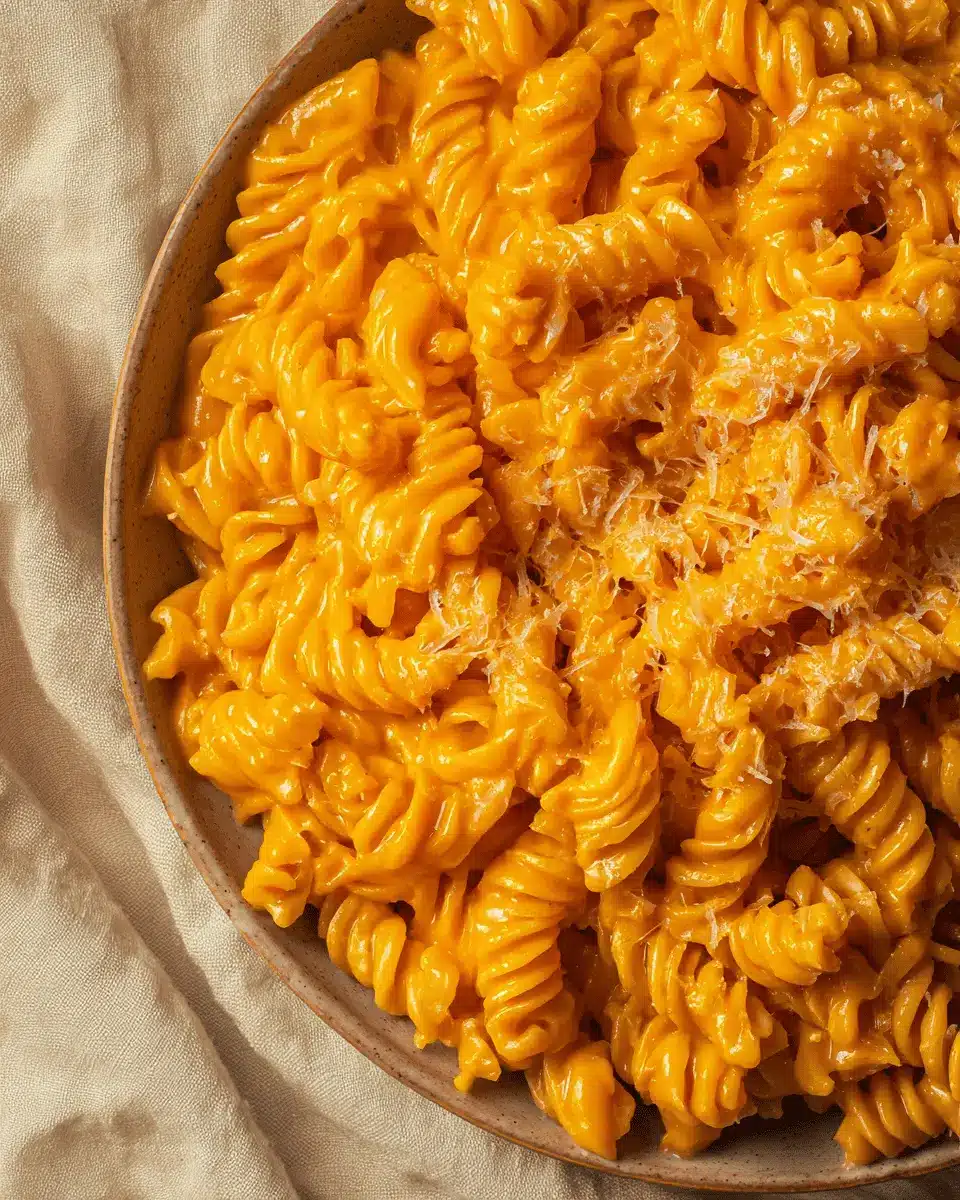
Ingredients for Butternut Squash Pasta Sauce
Essential ingredients for a creamy sauce
Creating a delicious butternut squash pasta sauce starts with a few key ingredients that come together to create a silky, flavorful base. Here's what you'll need:
- 16 oz bag of frozen diced butternut squash: Using frozen squash is a time-saver and just as nutritious as fresh.
- 1.5 cups fresh chopped tomatoes: These add acidity and sweetness to balance the richness of the squash.
- ½ yellow onion: This provides a wonderful depth of flavor.
- 2 tablespoon olive oil: For that perfect sautéing and roasting touch.
- 1 teaspoon salt and ¼ teaspoon black pepper: Essential seasonings to enhance every ingredient.
- ½ teaspoon dried thyme: Adds an aromatic herbal note.
When these ingredients are roasted and pureed, they create a creamy sauce that's simply irresistible.
Alternative ingredients for personalization
Feel free to personalize your butternut squash pasta sauce based on your preferences. Here are some ideas:
- Vegetable broth: Swap out pasta water for vegetable broth for extra flavor.
- Garlic: Add a few cloves for a robust kick.
- Nutritional yeast: Stir in some for a cheesy flavor without dairy.
- Spices: Experiment with nutmeg or cayenne for a unique twist.
This adaptability not only makes the dish yours but ensures it's perfect for any palate. Check out these variations for more creative ideas!
Preparing Butternut Squash Pasta Sauce
Making a creamy butternut squash pasta sauce is not just a great way to pack in some nutrition; it’s also an easy and satisfying process. Here's how you can prepare it from scratch!
Preheat and prepare the veggies
Start by preheating your oven to 450°F (232°C). While that heats up, get your veggies ready. You'll need a baking sheet lined with parchment paper for easy cleanup. Grab your frozen diced butternut squash, fresh chopped tomatoes, and half a yellow onion. Spread these on the baking sheet, drizzle with about 2 tablespoons of olive oil, and season with 1 teaspoon of salt, ¼ teaspoon of black pepper, and ½ teaspoon of dried thyme. Mix everything well to ensure each piece is beautifully coated. Not only does this bring out all the fantastic flavors, but it also helps in roasting them to perfection.
Roasting the butternut squash and tomatoes
Place the baking sheet in your preheated oven and let the veggies roast for about 20 minutes. This roasting step enhances the natural sweetness of the butternut squash and tomatoes. As they roast, the kitchen will fill with a delicious aroma, hinting at the incredible dish you’re creating. It’s a perfect time to check out some tips on roasting vegetables if you're new to this technique!
Cooking the pasta to perfection
While your veggies are cooking, it's time to focus on the pasta. Boil a handsome pot of water and add a generous pinch of salt. Once boiling, toss in 1 pound of your favorite pasta. Follow the package instructions for cooking time—usually around 8 to 12 minutes depending on the type. Just remember to taste for doneness; you want it al dente! Before draining the pasta, don’t forget to reserve about ⅓ cup of that precious pasta water; it’ll help make your sauce silky smooth.
Blending the sauce for creaminess
Once the veggies are beautifully roasted, carefully transfer them to a blender. Add the reserved pasta water and blend until smooth. This is where the magic happens—the creamy texture is what makes this butternut squash pasta sauce truly alluring. If you're a fan of extra flavor, consider adding some nutritional yeast or a pinch of garlic to the blender for an extra umami kick.
Tossing the pasta
Now that your sauce is ready, pour it over the cooked pasta, and give it a good toss to ensure every strand is coated in that luscious sauce. Serve your creation immediately for the best flavor and texture. This dish pairs wonderfully with a sprinkle of Parmesan cheese or a plant-based alternative if you’re keeping it vegan.
Enjoy every bite of your creamy butternut squash pasta sauce! It's a hearty meal that warms the soul—perfect for cozy evenings or impressing dinner guests.
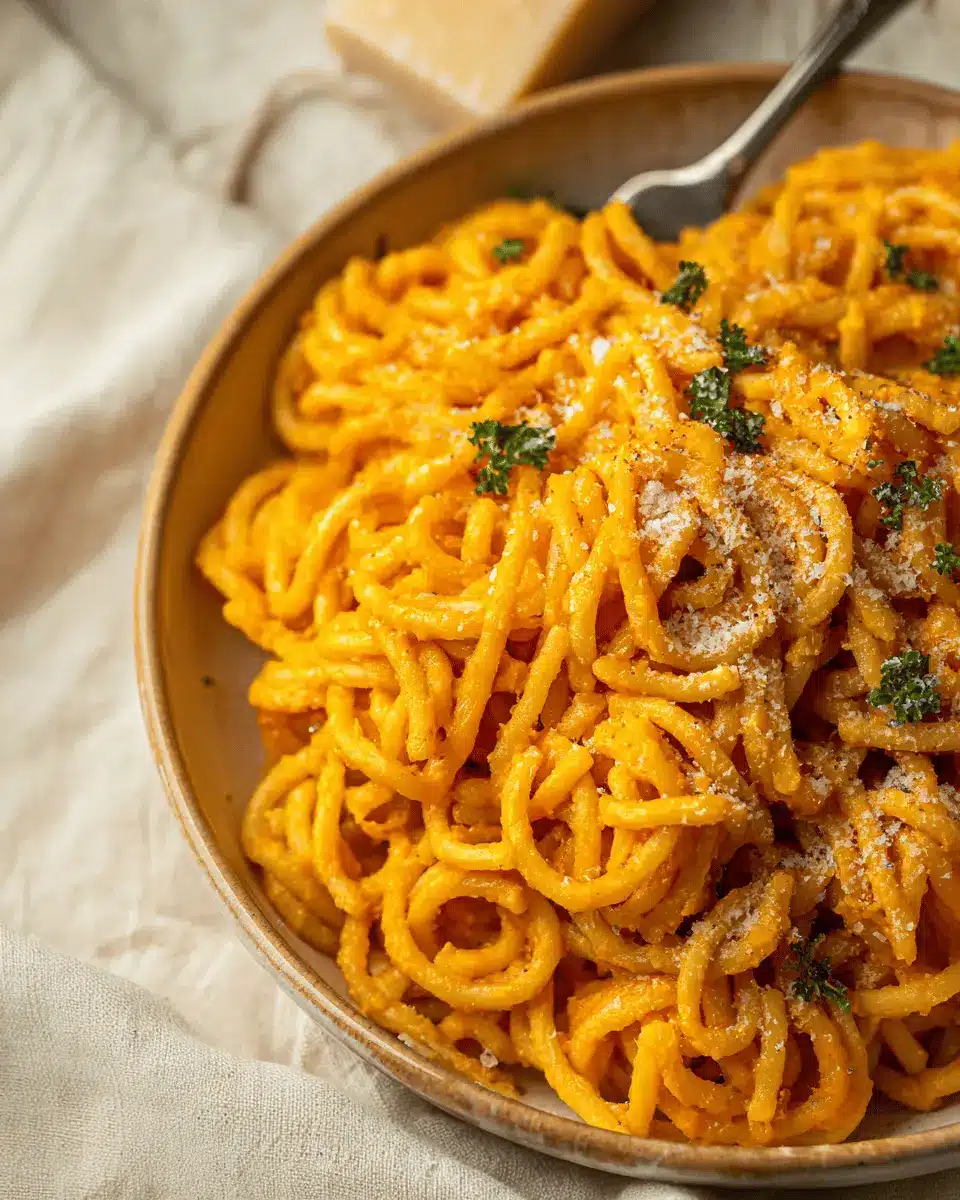
Variations on Butternut Squash Pasta Sauce
Adding spices for an extra kick
Spice lovers, rejoice! Elevate your butternut squash pasta sauce by incorporating spices like cayenne pepper or smoked paprika. Just a pinch can create a delightful contrast to the sauce's creamy texture. For a taste of the Mediterranean, try adding ground cumin or a dash of nutmeg. Feel inspired by global cuisines: a hint of curry powder can turn your dish into a flavorful fusion experience.
Making it a protein-packed meal
Want to amp up the nutritional value of your butternut squash pasta sauce? Consider adding cooked turkey bacon or chicken ham for a savory punch. If you're looking for plant-based options, toss in some chickpeas or lentils—they’re great sources of protein and blend beautifully with the sauce. Not only will you enjoy a delicious dinner, but you'll also feel full and satisfied, knowing you're nourishing your body with wholesome ingredients.
Cooking tips and notes for Butternut Squash Pasta Sauce
Choosing the right pasta
When it comes to your butternut squash pasta sauce, the choice of pasta can enhance the dish immensely. Opt for whole grain or gluten-free pasta for added nutrition and flavor. Shapes like fusilli or penne work wonderfully by holding onto the creamy sauce, ensuring each bite is satisfying. If you're after a lighter option, try zucchini noodles or spaghetti squash for a fresh twist.
Tips for blending the sauce smoothly
To achieve a velvety smooth texture, ensure your roasted vegetables are hot when blending. Start at a low speed and gradually increase to avoid splattering. If your blender struggles, add a splash of reserved pasta water until you reach your desired consistency. For an even creamier finish, consider blending in a splash of vegetable broth or a dash of plant-based milk. These simple tips will elevate your butternut squash pasta sauce to new heights!
For more information on pasta pairing and blending techniques, check out Serious Eats and America's Test Kitchen.
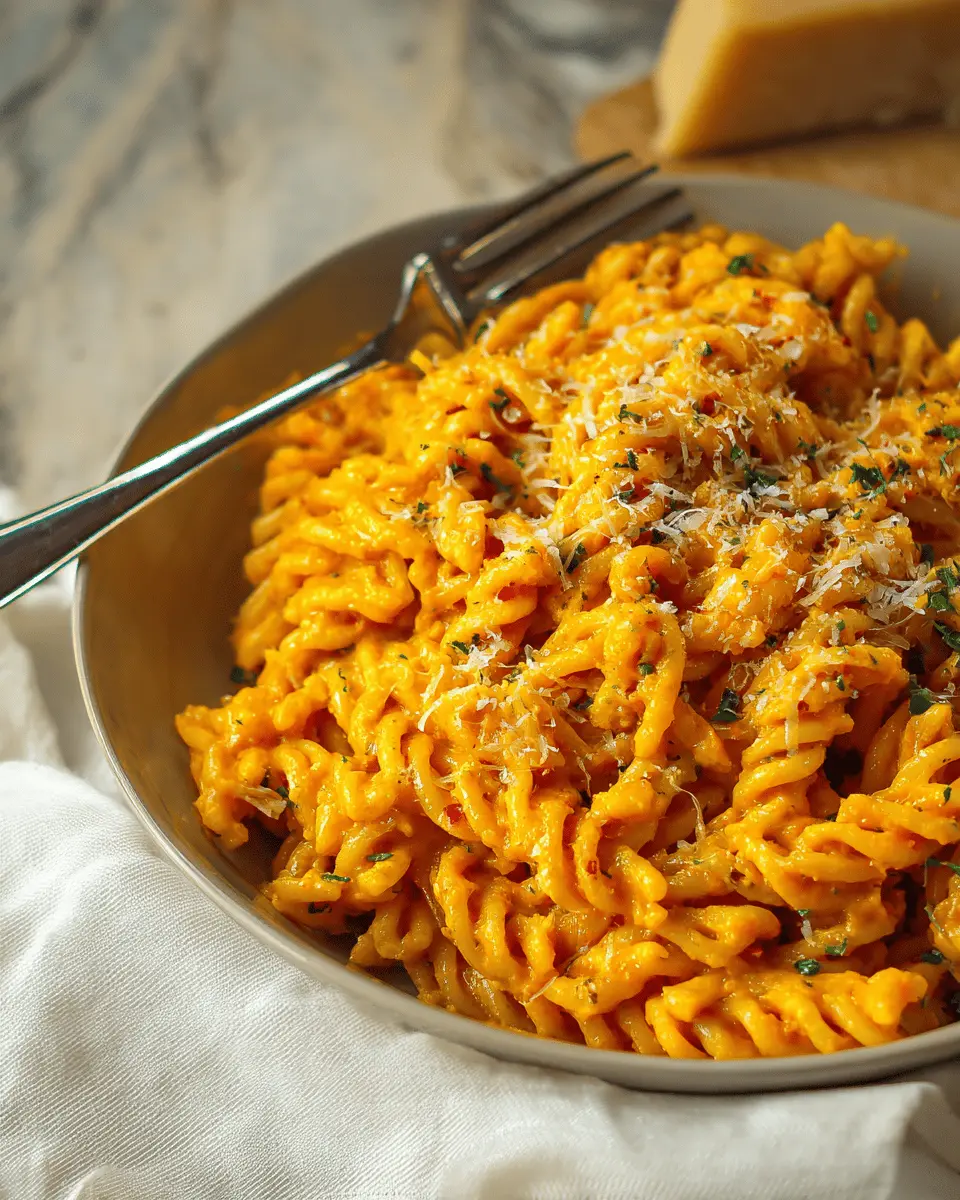
Serving suggestions for Butternut Squash Pasta Sauce
Pairing with proteins
Elevate your butternut squash pasta sauce by adding protein! Consider mixing in:
- Turkey bacon: its smoky flavor beautifully complements the sweetness of the sauce.
- Grilled chicken: juicy pieces add heartiness while balancing the creamy sauce.
- Lentils: for a plant-based option, lentils provide a satisfying texture and protein boost.
These options will not only enhance the dish's flavor profile but also make it a well-rounded meal.
Garnishes to enhance flavor
To take your butternut squash pasta sauce to the next level, think about garnishing with:
- Fresh basil: a sprinkle of this herb adds a refreshing note.
- Chili flakes: for those who like a little heat, it’s the perfect kick.
- Nutritional yeast: gives a cheesy flavor without dairy, ideal for a vegan twist.
Feel free to mix and match these toppings—exploration may lead to your new favorite combination! If you're in a creative mood, consider checking these garnish ideas from Epicurious for more inspiration.
Time Breakdown for Butternut Squash Pasta Sauce
Prep Time
Getting started with your butternut squash pasta sauce is a breeze! You’ll need about 10 minutes to gather and chop your ingredients.
Cook Time
Once everything's prepped, let the oven work its magic while you cook the pasta—this should take around 30 minutes.
Total Time
In just 40 minutes, you’ll have a delightful, creamy butternut squash pasta sauce ready to impress. It’s quick enough for a weeknight dinner but delicious enough for special occasions. Happy cooking!
For more squash inspiration, check out Smitten Kitchen’s guide to winter squash.
Nutritional Facts for Butternut Squash Pasta Sauce
Calories
This delicious butternut squash pasta sauce packs approximately 367 calories per serving, making it a wholesome choice for your dinner table without compromising on flavor.
Fiber
With its rich content of vegetables, each serving provides a healthy dose of dietary fiber. Fiber is crucial for digestive health and may help keep you feeling full longer—perfect for those busy weeknights!
Vitamins and Minerals
This sauce is not just tasty; it’s also nutrient-dense. It's loaded with vitamins A and C, thanks to the butternut squash and tomatoes, which support vision and immune health. Additionally, minerals like potassium found in these ingredients can help maintain healthy blood pressure levels. For more information on the health benefits of squash, check out the resources at Healthline and NutritionData.
Creating your own butternut squash pasta sauce not only elevates your meals but also packs a punch of nutrition. Enjoy the goodness!
FAQs about Butternut Squash Pasta Sauce
Can I use fresh butternut squash instead of frozen?
Absolutely! If you prefer fresh butternut squash, simply peel, cube, and roast it until tender. You might need to adjust the cooking time slightly, as fresh squash can take a little longer to soften than frozen. Roasting adds a fantastic depth of flavor, making your butternut squash pasta sauce even more delicious.
How can I store leftovers?
Leftover butternut squash pasta sauce can be stored in an airtight container in the refrigerator for up to 5 days. For longer storage, consider freezing. Just portion the sauce into freezer-safe containers or bags to keep it fresh for up to 3 months. When you're ready to enjoy it again, simply thaw and reheat on the stove or in the microwave.
What pasta goes best with this sauce?
When it comes to pairing pasta with this creamy sauce, options abound! Popular choices include:
- Penne: Its ridges grab the sauce perfectly.
- Fusilli: Twists that hold onto every drop.
- Spaghetti: A classic option that never disappoints.
Feel free to experiment with whole wheat or gluten-free pasta for a healthier twist.
Conclusion on Butternut Squash Pasta Sauce
This butternut squash pasta sauce is not just a meal; it’s an experience that brings warmth and creativity to your dinner table. With simple, wholesome ingredients, it’s both nourishing and delicious. Give it a try for a cozy weeknight dinner that’s sure to impress!

Butternut Squash Pasta Sauce
Equipment
- oven
- baking sheet
- blender
Ingredients
- 16 oz frozen diced butternut squash
- 1.5 cups fresh chopped tomatoes
- ½ unit yellow onion
- 2 tablespoon olive oil
- 1 teaspoon salt
- ¼ teaspoon black pepper
- ½ teaspoon dried thyme
- 1 lb pasta
- ⅓ cup pasta water reserved from cooked pasta
Instructions
- Preheat oven to 450F and line a baking sheet with parchment paper.
- Place frozen cubed butternut squash, chopped tomatoes and sliced onion on the baking sheet.
- Drizzle olive oil on top and season with salt, pepper, and thyme.
- Mix to cover the vegetables evenly with oil and seasonings.
- Bake at 450F for 20 minutes.
- While the veggies bake, cook the pasta according to package instructions.
- Before you drain the cooked pasta reserve ⅓ cup of the pasta water and place in a blender.
- Take the cooked veggies hot from the oven and blend with the pasta water until a smooth sauce remains.
- Pour the sauce over the cooked pasta and toss to coat.
- Serve immediately with parmesan cheese or plant based parm.



Leave a Reply