
Introduction to Lemon Cake
Why Lemon Cake is the Perfect Homemade Treat
When it comes to homemade desserts, few can match the vibrant freshness of a lemon cake. This delightful treat encapsulates the essence of sunshine with every bite, offering a perfect blend of sweetness and tartness that appeals to all palates. Ideal for celebrations, afternoon tea, or simply to satisfy a sweet craving, lemon cake is a versatile option that never fails to impress.
Baking a lemon cake not only elevates your dessert game but also fills your kitchen with the invigorating aroma of fresh lemons. Lemon juice and zest play a starring role in this recipe, contributing citrusy brightness that can brighten even the dullest of days.
The beauty of this lemon cake lies in its simplicity. With just a few ingredients—all readily available in your pantry—you can create a decadent dessert that feels gourmet. This recipe from Small Victories by Julia Turshen highlights how easy it is to whip up a delicious cake without extensive baking experience. Plus, you can customize it with other ingredients, such as nuts or unique citrus flavors, making it a wonderful canvas for creativity.
So, ready to indulge in a slice of homemade joy? Let’s dive into the delightful world of lemon cake! For additional inspiration, check out The Spruce Eats for more citrus dessert ideas.

Ingredients for Lemon Cake
Creating a delightful lemon cake requires just a handful of simple ingredients. Here's what you’ll need to whip up this zesty treat that will surely impress your friends and family!
Essential Ingredients
- 1 cup (120 g) all-purpose flour: You can use traditional flour or try spelt for a unique flavor.
- ½ cup (50 g) almond flour or finely ground almonds: This adds a lovely nuttiness; however, for a nut-free version, you can just increase your all-purpose flour by ½ cup (60 g).
- 1 ½ teaspoon baking powder: This is key for a light and fluffy texture.
- ½ teaspoon kosher salt: Just a pinch to enhance the other flavors.
- 2 eggs: They provide moisture and binding.
- ½ cup (120 ml) extra-virgin olive oil: This gives the cake a rich flavor and moist crumb.
- ½ cup (100 g) granulated sugar: The right amount of sweetness for this tangy cake!
- ½ teaspoon vanilla extract: A hint of vanilla complements the lemon beautifully.
- Grated zest of 1 lemon: For that vibrant, fresh lemon flavor.
- ¼ cup (60 ml) fresh lemon juice: The star of this cake; fresh juice makes all the difference!
- Powdered sugar: For dusting on top before serving.
Ready to get baking? The combination of these ingredients promises a citrusy sensation that’s perfect for any occasion! If you're eager for more culinary fun, check out serious eats for great baking tips.
Step-by-step Preparation of Lemon Cake
Baking a delicious lemon cake is not just about combining ingredients; it’s a joyful experience that fills your kitchen with citrusy aromas. Let’s break down this lovely recipe into simple steps that will have you enjoying a slice (or two) in no time!
Prepping Your Workspace
To begin, make sure your kitchen is tidy and all your tools are within reach. This prep time can save you a lot of hassle down the line! Gather your ingredients and equipment:
- An 8-inch (20 cm) round cake pan
- Two mixing bowls (one for dry ingredients and one for wet)
- A whisk
- Rubber spatula
- Measuring cups and spoons
- Parchment paper
Once you’ve assembled everything, preheat your oven to 350°F (180°C) while you start mixing. This ensures your lemon cake will bake evenly.
Combine the Dry Ingredients
In a medium-sized bowl, whisk together the all-purpose flour, almond flour, baking powder, and kosher salt. This step is crucial as it evenly distributes the leavening agents, helping your cake rise beautifully. Take a moment to enjoy the smells of the dry ingredients; fresh flour and nuts can be quite fragrant.
If you're looking for ideas on types of flour, check out this resource on flour types, which highlights various options you can use in baking.
Mix the Wet Ingredients
Next, move on to your larger bowl, where you'll mix the wet components. Start by whisking the eggs until fully blended, then slowly add the extra-virgin olive oil and granulated sugar. Whisk until the sugar dissolves and the mixture is slightly frothy (a fun fact: rub some between your fingers to check!). Stir in the vanilla extract, grated lemon zest, and fresh lemon juice. The citrus fragrance at this stage is absolutely invigorating!
Blend the Wet and Dry Components
Now it’s time to combine the two mixtures. Pour the dry ingredients into the wet mixture, using a rubber spatula to fold it gently. You want to mix just until combined; overmixing can lead to a tough cake, and nobody wants that!
Bake Your Scrumptious Lemon Cake
Once everything is mixed, pour the batter into your prepared cake pan. Drop the pan gently on your countertop a few times to release any air bubbles. Bake for 25 to 30 minutes, until golden brown and a toothpick inserted in the center comes out clean. After baking, let the cake cool in the pan for a bit before transferring it onto a wire rack.
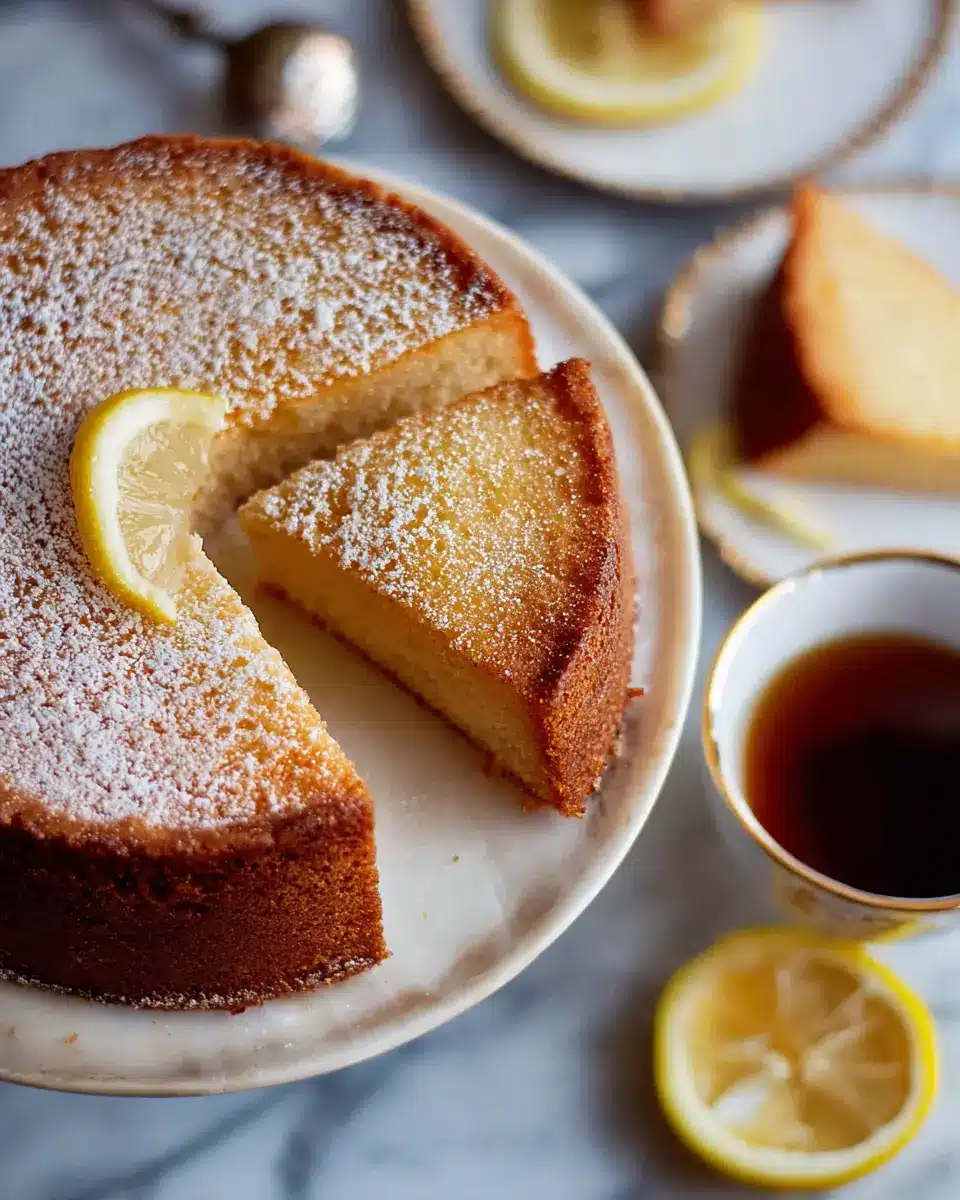
As you dust your lemon cake with powdered sugar just before serving, be sure to take a moment to admire your creation—after all, you did great work! Enjoy your homemade lemon cake with friends or as a delightful treat any time of day.
Variations of Lemon Cake
Lemon Poppy Seed Cake
For a delightful twist on the classic lemon cake, try adding some poppy seeds! Simply replace the orange zest and juice with lemon zest and juice, then incorporate 1 tablespoon of poppy seeds into the batter. This variation not only enhances the flavor with a nutty crunch but also adds a beautiful aesthetic to your cake.
Citrus Infused Variants
Don’t stop with just lemon! Feel free to experiment with other citrus fruits like clementines, blood oranges, or even grapefruit. Substituting the lemon with your favorite citrus allows for a unique flavor profile while maintaining that zesty appeal. Each of these fruits delivers its distinctive twist, making your cake a versatile treat for any occasion!
For more inspiration on creative cake variations, check out King Arthur Baking.
Cooking Tips and Notes for Lemon Cake
When baking your lemon cake, some simple tips can elevate your results:
-
Ingredient Quality: Fresh lemons can make a major difference. Opt for organic if possible, as they often provide a more vibrant zest and juice.
-
Mixing Matters: Whisk your eggs thoroughly before adding the other ingredients; this ensures a light texture. Did you know that over-mixing can lead to a denser cake? Stir just until combined.
-
Substitutions: If you're out of almond flour, feel free to swap in any ground nuts or just stick with all-purpose flour for a nut-free version.
-
Cooling Aid: Allow your lemon cake to cool completely in the pan before inverting it; this reduces the risk of crumbling.
For more baking tips, check out King Arthur Baking. Enjoy whipping up this delightful treat!

Serving Suggestions for Lemon Cake
Serving your delicious lemon cake offers endless possibilities! For a refreshing twist, pair it with a dollop of whipped cream and fresh berries – strawberries or blueberries work beautifully. Not a fruit fan? A sprinkle of chopped pistachios adds a delightful crunch.
Consider serving slices alongside a hot cup of herbal tea or a creamy chai latte for a cozy afternoon treat. For a more indulgent experience, drizzle with a homemade lemon glaze or a citrus-infused yogurt. And if you have leftovers, try using a slice in a trifle with layers of cream and fruit for an elegant dessert. Enjoy this delightful cake!
Time Breakdown for Lemon Cake
When craving a delightful homemade treat, knowing how much time you'll dedicate is essential. Here’s a quick look at the time needed for your delicious lemon cake:
Preparation Time
Get your kitchen ready in just 15 minutes! Gather your ingredients, preheat the oven, and mix your batter.
Baking Time
This lemon cake bakes to perfection in about 25 minutes. You'll want to keep an eye on it as it turns golden brown.
Total Time
From start to finish, you're looking at a total of 40 minutes to enjoy a slice of fresh lemon cake. Perfect for a quick dessert or a sweet snack!
For more tips on baking and special techniques, check out resources like America's Test Kitchen or BBC Good Food.
Nutritional Facts for Lemon Cake
Understanding the nutritional profile of lemon cake can help you make informed choices when indulging in this zesty treat. Here’s a quick overview of the main elements:
Calories
A typical serving of lemon cake contains approximately 200-250 calories. Enjoying a slice can be a delightful way to satisfy your sweet cravings while still keeping your calorie intake in check!
Sugar Content
This lemon cake features around 12-15 grams of sugar per serving. While it adds sweetness, consider pairing it with fresh berries to enhance flavor and nutrition without too much added sugar.
Protein
With the inclusion of eggs and almond flour, lemon cake offers about 3-5 grams of protein per slice. This provides a little boost in satiety, making it a satisfying dessert option.
For reference on sugar content and calories in baked goods, you might want to check out resources like the USDA FoodData Central. Balancing your treats with fresh fruit or nuts could enhance the nutritional value of your dessert experience!
FAQs About Lemon Cake
How do I prevent my lemon cake from drying out?
To keep your lemon cake moist and delicious, consider these tips:
- Use oil instead of butter: Olive oil not only adds richness but also keeps the cake moist.
- Don’t overbake: Check for doneness a few minutes before the baking time is up—golden edges and a clean toothpick are your best friends here.
- Add moisture: Try incorporating yogurt or sour cream into the batter for extra moisture.
Can I use different types of flour for lemon cake?
Absolutely! While the recipe calls for all-purpose flour and almond flour, you can mix it up. If you're looking for gluten-free options, almond flour or oats can work well. Just remember that the texture might change a bit, so adjust your expectations accordingly.
How should I store leftover lemon cake?
To keep your lemon cake fresh, store it in an airtight container at room temperature for up to three days. If you want to enjoy it longer, wrap it tightly in plastic wrap and refrigerate. For even longer storage, you can freeze slices—just remember to thaw them at room temperature when you're ready to indulge!
For more expert baking tips, check out King Arthur Baking. Happy baking!
Conclusion on Lemon Cake
Lemon cake is a delightful fusion of brightness and flavor that's sure to please any crowd. Its simple preparation and fresh ingredients make it an ideal dessert for gatherings or a sweet treat at home. Whether you're celebrating or enjoying a quiet evening, this cake always delivers. Enjoy every slice!

Lemon Cake
Equipment
- 8-inch cake pan
- Mixing Bowls
- whisk
- rubber spatula
- wire rack
Ingredients
- 1 cup all-purpose flour I used spelt
- ½ cup almond flour or finely ground almonds, see Note
- 1.5 teaspoon baking powder
- ½ teaspoon kosher salt
- 2 eggs
- ½ cup extra-virgin olive oil
- ½ cup granulated sugar
- ½ teaspoon vanilla extract
- 1 lemon zest from 1 lemon
- ¼ cup fresh lemon juice
- powdered sugar for dusting
Instructions
- Preheat your oven to 350°F (180°C). Butter the bottom and sides of an 8-inch cake pan and line the bottom with parchment paper. Butter the parchment paper.
- In a medium bowl, whisk together the flour, almond flour, baking powder, and salt.
- In a large bowl, whisk the eggs until fully combined. Add olive oil and sugar, whisk until dissolved. Whisk in vanilla, lemon zest, and lemon juice, followed by the flour mixture.
- Pour the batter into the prepared pan, using a rubber spatula to ensure all the batter is removed from the bowl. Drop the pan on the counter to eliminate air bubbles.
- Bake until golden brown and a toothpick comes out clean, about 25 to 30 minutes. Cool on a wire rack. Once cool, loosen the edges and invert onto a work surface, then onto a serving platter.
- Dust with powdered sugar just before serving.




Leave a Reply