
Introduction to Bibimbap Korean Rice Bowl
A Brief Overview of Bibimbap
If you’re looking to spice up your weeknight dinner routine, the Bibimbap Korean Rice Bowl might just be your new go-to! Originating from Korea, bibimbap is more than just a dish—it's a beautiful tapestry of flavors and textures. The term “bibimbap” translates to “mixed rice,” which perfectly describes this vibrant bowl filled with a tantalizing mix of vegetables, marinated beef, and a delicious sauce that brings it all together.
At its core, bibimbap showcases the Korean philosophy of balancing flavors and ingredients. Traditionally served with short-grain rice, each component—whether it's sautéed mushrooms, fresh spinach, or crisp zucchini—plays a unique role in the dish. The subtle sweetness of the marinated beef, mingled with the umami-rich bibimbap sauce, elevates this dish into a flavorful experience that's meant to be savored.
Whether you’re a seasoned chef or a cooking novice, bibimbap is incredibly forgiving. Feel free to personalize it with your favorite proteins or seasonal vegetables. It's all about bringing your unique twist to this beloved classic! To dive deeper into the intricacies of crafting your own bibimbap, check out My Korean Kitchen, where you'll find tips straight from the heart of Korea.
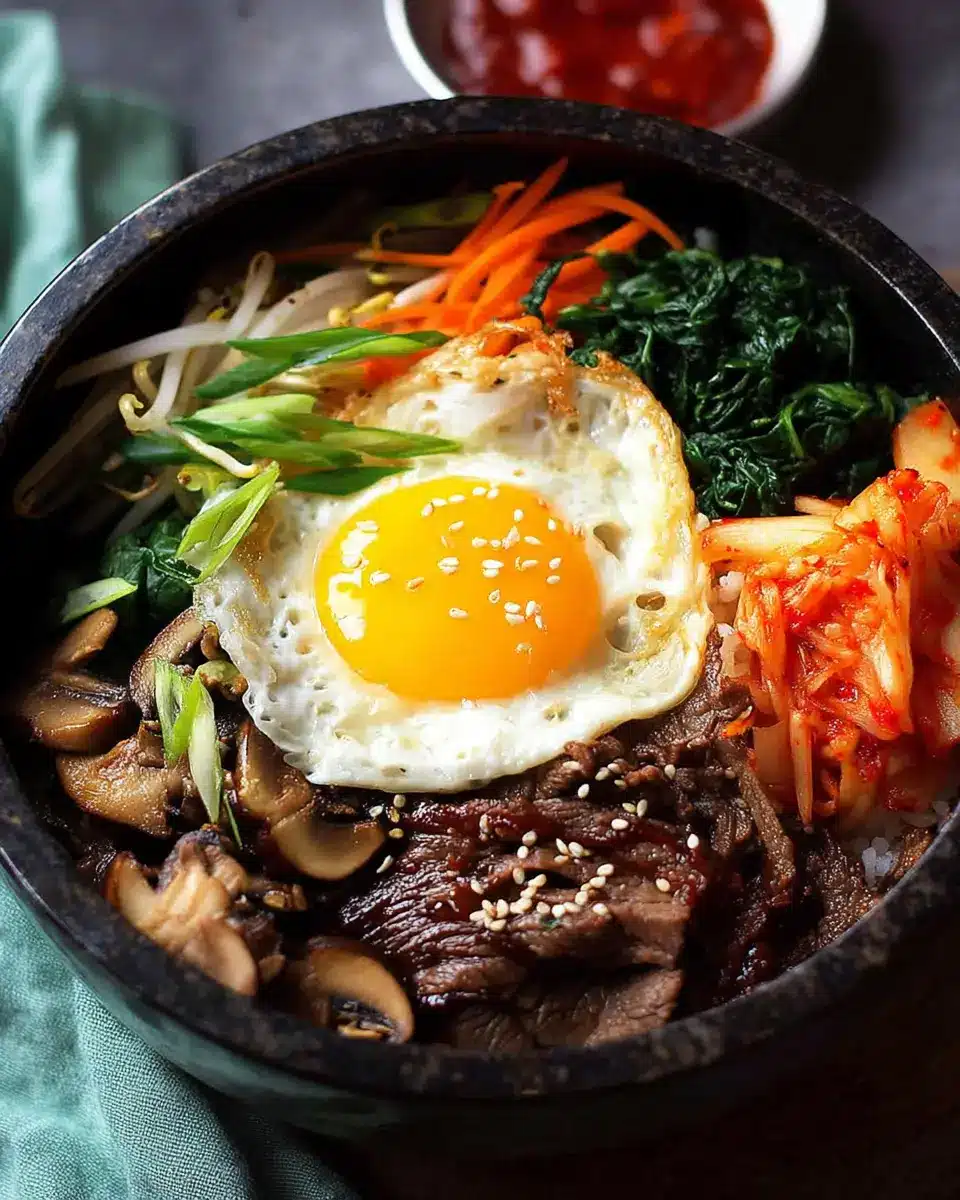
Ingredients for Bibimbap Korean Rice Bowl
Creating the perfect Bibimbap Korean Rice Bowl starts with selecting fresh ingredients bursting with flavor and nutrition. Don’t worry; this dish is as delicious as it is versatile!
Essential Ingredients for the Rice Bowl
- Cooked white rice: Stick with short grain for that authentic texture.
- Eggs: Fry to your desired doneness, a runny yolk adds richness.
- Vegetables: Carrots, zucchini, spinach, shiitake mushrooms, and bean sprouts have their own distinct flavors, so pick fresh ones!
Key Ingredients for the Bibimbap Sauce
The magic lies in the sauce, which requires:
- Gochujang: This spicy paste is a staple in Korean cooking.
- Mirin: Adds a hint of sweetness.
- Sesame oil: Use toasted for a deeper flavor profile.
Suggestions for Ingredient Substitutions
Not a fan of beef? Feel free to swap it with chicken or tofu! Short on veggies? Sneak in whatever you’ve got in your fridge, like bell peppers or green beans. Want to adjust spices? Go easy on the gochujang for a milder taste.
For more cooking tricks, check out Korean Bapsang!
Preparing the Bibimbap Korean Rice Bowl
Creating a delicious Bibimbap Korean Rice Bowl is not just about mixing and matching ingredients; it’s a labor of love that showcases vibrant flavors and textures. While it may seem daunting with multiple steps, each is simple and worth your effort. Let's dive into the preparation process.
Step 1: Prepare the Bibimbap Sauce
The star of your Bibimbap is undeniably the sauce. Mix the following ingredients in a bowl until the sugar dissolves:
- 4 tablespoon gochujang paste (a spicy red chili paste)
- 2 tablespoon mirin
- 2 tablespoon rice vinegar
- 1.5 teaspoon soy sauce
- 3 teaspoon white sugar
- 1 grated garlic clove
- 2.5 teaspoon toasted sesame oil
This sauce brings everything together with its sweet, spicy, and umami flavors, making your Bibimbap truly remarkable.
Step 2: Marinate the Beef
While the sauce is soaking in, let’s move on to the marinated beef. Combine these ingredients in a bowl:
- 250 g thinly sliced beef tenderloin
- ¼ grated green apple
- 3 minced garlic cloves
- 1 tablespoon soy sauce
- 1 tablespoon honey
- 2 teaspoon toasted sesame oil
Allow the beef to marinate for at least 30 minutes (or overnight, if you have time). The apple not only adds a touch of natural sweetness but also helps tenderize the meat, a technique often used in Korean cooking.
Step 3: Prepare the Vegetables
Next, prepare your colorful array of veggies. You’ll need:
- 2 large carrots, cut into batons
- 2 large zucchinis, cut into batons
- 1 bunch of spinach, chopped
- 8 dried shiitake mushrooms, rehydrated and sliced
- 4 cups of bean sprouts
Soak the dried shiitake mushrooms in boiling water for about 30 minutes until soft, then slice them for that umami punch!
Step 4: Cook the Vegetables
If you can, use two skillets to save time. Here’s how:
- Shiitake: Sauté in 2 teaspoon oil for a couple of minutes, then add 1.5 teaspoon soy sauce and ¼ teaspoon sugar. Remove when glazed.
- Carrots: Cook in 2 teaspoon oil for 5-8 minutes until tender and set aside.
- Zucchini: Like the carrots, sauté for approximately 4 minutes, then remove.
- Spinach: Sauté with 2 teaspoon of oil and a splash of sesame oil until wilted. Add ½ teaspoon garlic, then remove.
- Bean Sprouts: Boil for about 5 minutes, then cool and combine with a mixture of sesame oil, garlic, and fish sauce.
Remember, the goal is for the vegetables to be at room temperature when served, so you can take your time!
Step 5: Fry the Eggs
Cook your eggs to your liking in a skillet—whether you prefer a runny yolk or a fully cooked egg, they’ll add creaminess to your dish.
Step 6: Assemble the Bibimbap Bowl
It’s the moment of truth! Place warm, cooked rice at the bottom of each bowl. Top with your marinated beef, sautéed vegetables, and a fried egg. Drizzle with that irresistible Bibimbap sauce we prepared earlier. For a finishing touch, sprinkle with sesame seeds.
And that’s it! You’ve created a stunning Bibimbap Korean Rice Bowl that's perfect for dining in or sharing with friends. Check back for variations and tips on making your bowl even more unique!
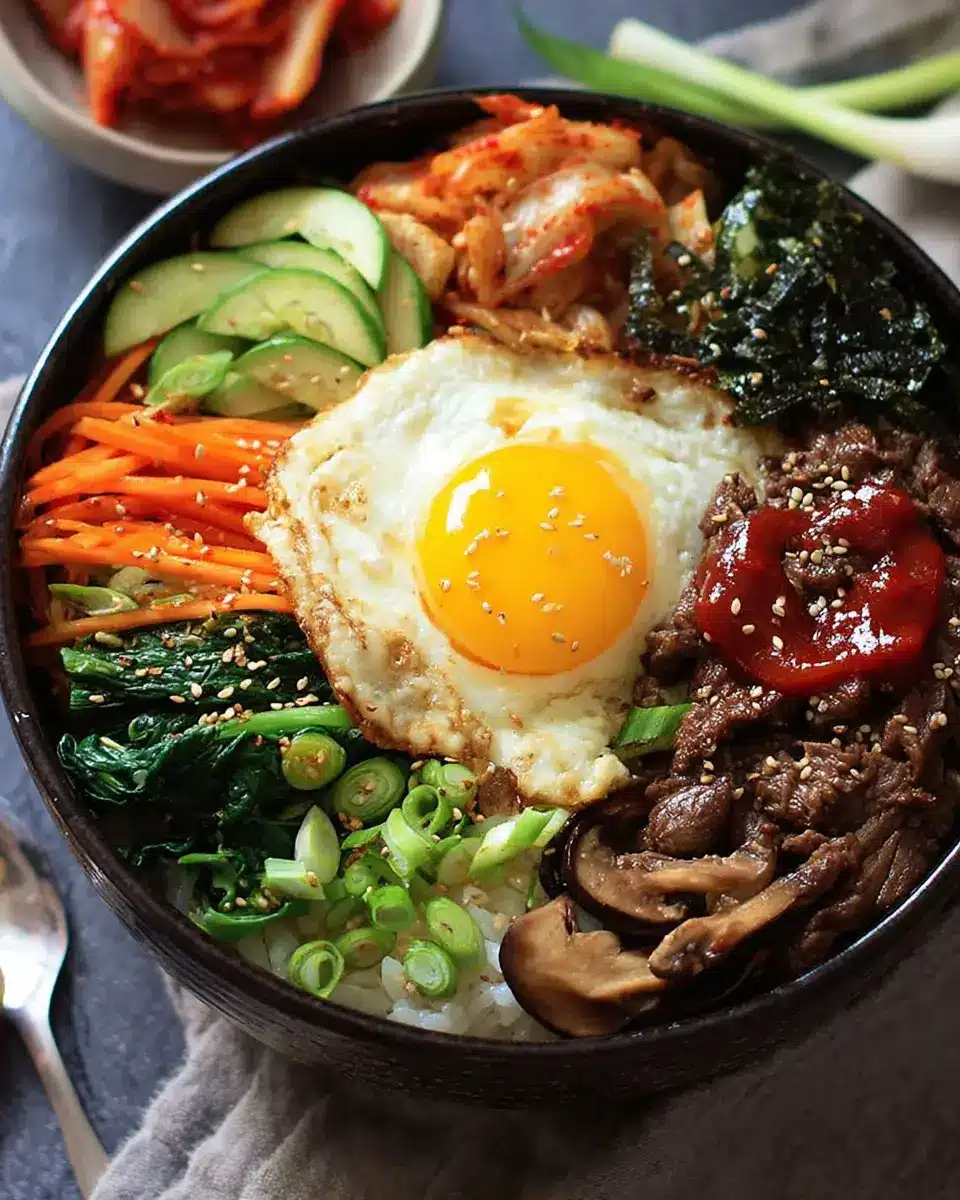
Variations on Bibimbap Korean Rice Bowl
Vegetarian Bibimbap
For a delightful twist on the traditional Bibimbap Korean Rice Bowl, try the vegetarian version! Simply swap out the beef for a medley of vibrant vegetables like sautéed mushrooms, bell peppers, and kale. Add protein-packed ingredients such as tofu or edamame for extra heartiness. Don't forget to drizzle with that amazing Bibimbap sauce to tie all the flavors together. This version is colorful, nutritious, and perfect for those looking to reduce meat intake without sacrificing taste.
Spicy Tofu Bibimbap
Craving some heat? The Spicy Tofu Bibimbap is your answer! Marinate bite-sized tofu cubes in a spicy mixture of gochujang, soy sauce, and sesame oil for at least 30 minutes. Pan-fry the marinated tofu until crispy and golden. Assemble your rice bowl by layering the flavorful tofu on top of rice, fresh vegetables, and a drizzle of the Bibimbap sauce. This spicy alternative brings a kick to your meal and is ideal for any spice lover!
Exploring variations ensures this iconic dish never gets boring. How would you customize yours? For more inspiration, check out Korean food blogs or traditional recipes.
Cooking Tips and Notes for Bibimbap
Choosing the Right Rice
To achieve that perfect texture in your Bibimbap Korean Rice Bowl, opt for short-grain rice, like sushi rice. Its stickiness makes it easier to pick up with chopsticks and helps bind all the delicious flavors together seamlessly.
Tips for Marinating Meat
For the marinated beef, try incorporating grated apple for added tenderness and a hint of sweetness. Marinating can be done for as little as 30 minutes or even overnight to infuse deeper flavors. If you're looking for alternatives, consider exploring options like chicken or tofu for versatility.
Enhancing Flavor with Seasoning
Don’t forget to layer your flavors! Incorporate ingredients like toasted sesame oil and a dash of gochujang for that spicy kick. Tasting as you go is key—don’t hesitate to adjust seasoning based on your preference. For more insights on Korean flavors, check out authors like Maangchi and My Korean Kitchen for inspiration!
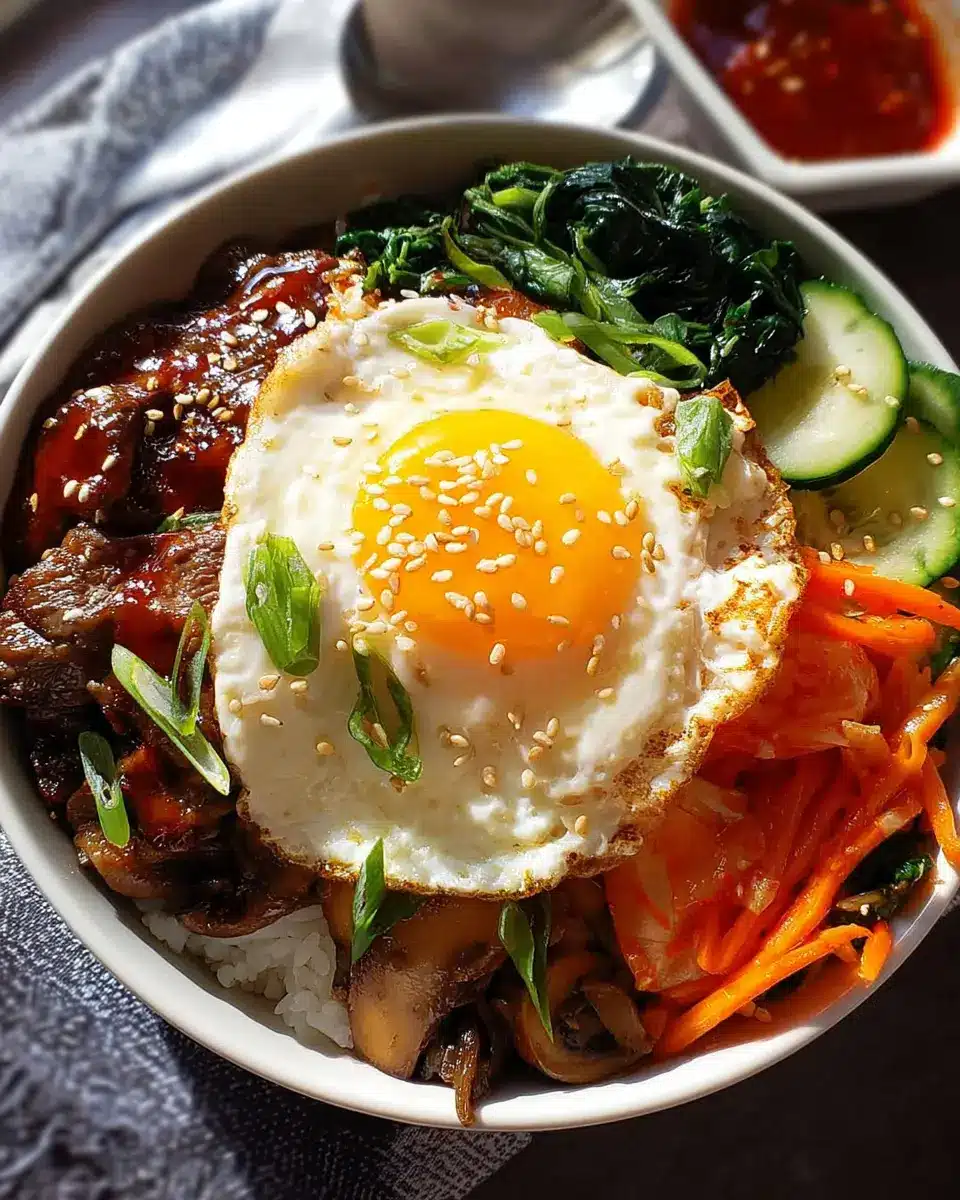
Serving Suggestions for Bibimbap
Ideal Pairings and Drinks
Elevate your Bibimbap Korean Rice Bowl experience with some delicious sides and beverages. Pair it with Korean gyoza or spicy kimchi for an authentic touch. For drinks, consider a refreshing iced tea or fizzy lemonade — they balance the savory flavors wonderfully. A traditional option is Sikhye, a sweet Korean rice drink that complements the dish perfectly.
Creative Serving Styles
Don't shy away from getting imaginative with how you serve your bibimbap. You can present it stylishly in a sizzling stone bowl, which adds an exciting element as the rice crisps up at the bottom. Or, try a DIY bibimbap bar for gatherings; lay out all the ingredients and let your guests customize their bowls! This engaging format makes meals enjoyable and sparks culinary creativity.
For more ideas on serving Korean dishes, check out resources like Korean Bapsang or Beyond Kimchee!
Time Breakdown for Bibimbap
Preparation Time
The prep work for this Bibimbap Korean Rice Bowl takes about 40 minutes, where you'll chop veggies, marinate the beef, and soak the mushrooms. This step is all about assembling those fantastic flavors!
Cooking Time
Once you’ve prepped everything, the cooking process takes around 30 minutes. It’s quick yet allows the ingredients to shine, with sautéing and cooking happening simultaneously for efficiency.
Total Time
In total, expect to invest about 1 hour and 10 minutes in this delightful dish. It may sound like a lot, but trust me—it’s a labor of love! And remember, bibimbap is best served at room temperature, so there’s no need to rush. Enjoy the process!
For more tips on Korean cuisine and fun recipes, check out sites like Korean Bapsang and Maangchi. Happy cooking!
Nutritional Facts for Bibimbap Korean Rice Bowl
Caloric Content
Enjoy a satisfying Bibimbap Korean Rice Bowl with about 689 calories per serving. This hearty meal makes for a deliciously filling option without sacrificing flavor.
Protein and Carbohydrates
Pack in the nutrition with 27 grams of protein and 73 grams of carbohydrates per serving. The combination of beef, eggs, and veggies offers a balanced meal perfect for your active lifestyle.
Dietary Fiber and Vitamins
With 5 grams of dietary fiber, bibimbap supports digestive health. Plus, it’s rich in vitamins A and C, giving you a boost of antioxidants. Each vibrant veggie contributes to your daily nutrient intake, making it both wholesome and colorful.
For more information on the vitamins and minerals in vegetables, check out resources like the USDA FoodData Central.
FAQs about Bibimbap Korean Rice Bowl
Can I make Bibimbap ahead of time?
Absolutely! Bibimbap is a fantastic option for meal prep. You can prepare the individual components like the marinated beef, sautéed vegetables, and even the sauce a day in advance. Just store them separately in the fridge. You can quickly assemble the bowls when you're ready to eat! Since it's meant to be enjoyed at room temperature, it’s perfect for bento boxes or quick lunches.
What are the best vegetables for Bibimbap?
You’re free to mix and match veggies based on your preference! Traditional choices include:
- Carrots: for crunch and sweetness
- Zucchini: mild and tender
- Spinach: adds a nutritious green element
- Bean Sprouts: crunchy and refreshing
- Shiitake Mushrooms: for umami flavor
Feel free to explore other options like bell peppers or radishes for extra flavor and color.
How do I customize my Bibimbap?
Customization options are endless! You can swap the beef for chicken, tofu, or even seafood. Change up your protein and veggies to suit your taste, and remember, the Bibimbap Sauce is the star of the dish. Adjust the spiciness by varying the amount of gochujang or try adding different spices to create your own unique twist!
For more insights, you might enjoy reading about other traditional Korean dishes on Maangchi's blog for inspiration!
Conclusion on Bibimbap Korean Rice Bowl
Why You Should Try Making Bibimbap at Home
Creating a Bibimbap Korean Rice Bowl at home is a rewarding culinary adventure! Not only does this colorful dish offer a delightful mix of textures and flavors, but it also allows for infinite customization. Feel free to experiment with your favorite vegetables and proteins, all perfectly paired with the standout Bibimbap sauce. Plus, it's a great way to impress friends or enjoy a homemade meal that transports your taste buds to Korea. So grab your apron and get cooking!
Bibimbap! (Korean Rice Bowl)
Equipment
- Skillet
- large bowl
Ingredients
Rice
- 4 cups cooked white rice preferably short grain
Eggs and Seeds
- 4 eggs
- 2 teaspoon sesame seeds
Korean Beef & Marinade
- 250 g beef tenderloin or thick steak very finely sliced
- ¼ green apple grated
- 3 garlic cloves minced
- 1 tablespoon soy sauce light or all purpose
- 1 tablespoon honey or brown sugar
- 2 teaspoon sesame oil toasted
Vegetables
- 2 carrots large, cut into batons
- 2 zucchini large, cut into batons
- 1 bunch spinach cut into lengths
- 8 dried shiitake mushrooms large
- 4 cups bean sprouts
- 2 teaspoon garlic minced
- 8 teaspoon vegetable oil separated
- ½ teaspoon salt
- 1.5 teaspoon soy sauce light or all purpose
- ¼ teaspoon fish sauce sub soy
- ¼ teaspoon white sugar
- sesame oil toasted
Bibimbap Sauce
- 4 tablespoon gochujang paste
- 2 tablespoon mirin
- 2 tablespoon rice vinegar
- 1.5 teaspoon soy sauce
- 3 teaspoon white sugar
- 1 clove garlic finely grated
- 2.5 teaspoon sesame oil toasted
Instructions
Bibimbap Sauce
- Mix ingredients until sugar is dissolved.
Marinated Beef
- Mix the marinade in a bowl, then add beef. Marinate for 30 minutes to overnight.
- Heat 2 teaspoon oil in a large skillet over high heat. Let excess marinade drip off then add beef. Cook for 3 - 4 minutes until cooked and there's some caramelised bits, then remove from skillet.
- Keep warm until required or reheat to warm.
Prepare Vegetables
- Soak mushrooms in a large bowl of boiling water for 30 minutes, or until rehydrated. Drain, squeeze out excess water, then slice.
- Place carrot and zucchini in separate bowls, sprinkle each with ¼ teaspoon salt, toss, leave for 20 minutes then drain excess liquid.
Cook Vegetables
- Get 2 skillets going if you can!
- Heat 2 teaspoon oil in a skillet over medium high heat. Cook mushrooms for 2 minutes. Add 1.5 teaspoon soy, ¼ teaspoon sugar, ½ teaspoon of garlic. Stir for 1 minute, then remove.
- Add 2 teaspoon oil into the skillet, cook carrot until just tender (5 to 8 minutes), then remove.
- Cook zucchini as with carrot for 4 minutes.
- Heat 2 teaspoon veg with a splash of sesame oil. Saute until starting to wilt. Add ½ teaspoon garlic, and salt to taste, stir, then remove.
- Simmer beansprouts in water for 5 min or steam in microwave for 3 min until floppy. Drain under cold water, then cool. Mix with 2 teaspoon sesame oil, 1 teaspoon garlic, ¼ teaspoon fish sauce.
Assemble
- Fry eggs in a skillet to your taste.
- Place warm rice in bowls.
- Top with vegetables and beef, then lastly, the egg.
- Sprinkle with sesame seeds, drizzled with sesame oil. Serve with Bibimbap Sauce!



Leave a Reply