
Introduction to Rosemary Parmesan Artisan Bread
Creating your own Rosemary Parmesan Artisan Bread at home is an exceptionally rewarding experience. Not only do you have the pleasure of filling your kitchen with the warm, enticing aroma of freshly baked bread, but you also gain the satisfaction of mastering a skill that many find intimidating. Homemade artisan bread is far superior to store-bought options and, believe it or not, making it can be surprisingly simple!
There’s something magical about the combination of nutty Parmesan cheese and fragrant rosemary nestled within a crusty loaf. Each bite offers a delightful contrast between the crunchy exterior and soft, airy interior, making it a perfect companion for soups, salads, or simply a slice with olive oil for dipping. Plus, the no-knead method means you spend minimal time on hands-on work and let time work its fermenting magic.
According to a study by the National Association of Bakeries, baking at home can significantly enhance your culinary skills, boosting your confidence in the kitchen. This Rosemary Parmesan Artisan Bread recipe is ideal for both beginners and experienced bakers. Are you ready to embrace the joy of baking? Let's get started!
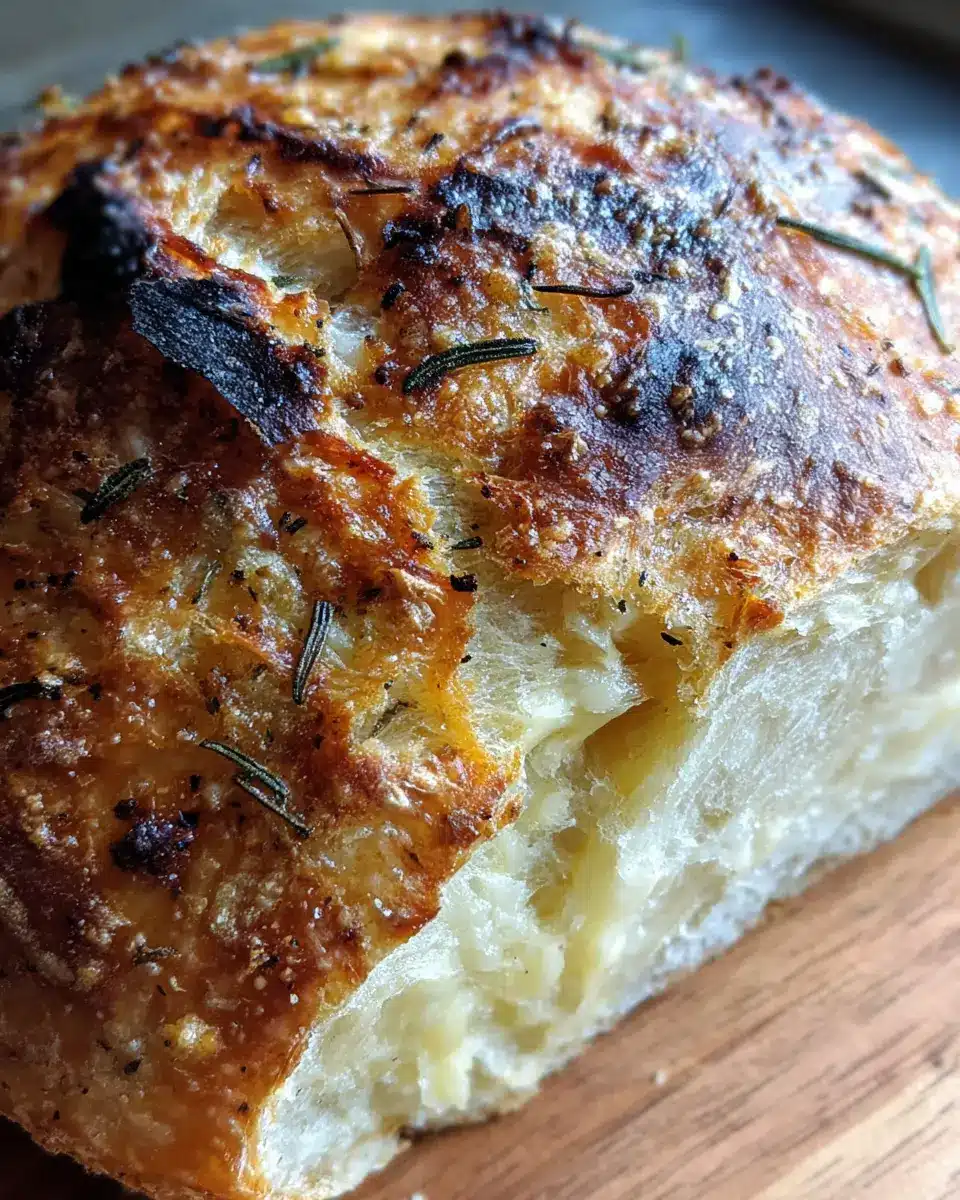
Ingredients for Rosemary Parmesan Artisan Bread
Creating a delicious loaf of Rosemary Parmesan Artisan Bread starts with the right ingredients. Here’s what you’ll need to gather:
Essential Ingredients
To make this unique bread, you'll need the following:
- 1½ cups water (ideally at room temperature, around 70°F/21°C)
- 1 teaspoon active dry yeast to get that dough bubbling
- 3½ cups bread flour (plus extra for dusting) for that perfect texture
- 1 teaspoon kosher or fine sea salt to enhance flavor
- 2 tablespoons finely chopped rosemary for that aromatic touch
- 1½ cups cubed Parmesan cheese—nutty and savory, it’s the star of the show!
These staple ingredients blend beautifully, creating a loaf that's not just good, but great.
Optional Add-Ins
While the above ingredients are essential, don’t hesitate to get creative. Here are some fun ideas for optional add-ins:
- Garlic cloves—minced for those who love an added kick
- Black olives or sun-dried tomatoes for a Mediterranean flair
- Nuts and seeds, like toasted pine nuts or sunflower seeds, for extra crunch
These optional ingredients can infuse your Rosemary Parmesan Artisan Bread with your personal touch, making it uniquely yours. Happy baking!
Preparing Rosemary Parmesan Artisan Bread
Baking your own bread can feel like a daunting task, but trust me, once you try this Rosemary Parmesan Artisan Bread, you won't want to go back. Follow these simple steps, and you’ll have a deliciously crusty loaf with a soft, flavorful interior that's perfect for any occasion.
Activate the yeast
Start by activating your yeast! In a bowl, add 1 teaspoon of active dry yeast to 1½ cups of room temperature water. Let this mixture sit for about 10-15 minutes until bubbly. This simple step is crucial because it ensures the yeast is alive and ready to do its job in helping your loaf rise.
Mix dry ingredients
While waiting for the yeast, grab a large mixing bowl and combine 3½ cups of bread flour, 1 teaspoon of kosher or fine sea salt, and 2 tablespoons of finely chopped rosemary. Whisk them together until they’re evenly distributed. The wonderful aroma of rosemary will fill your kitchen, setting the scene for delicious bread ahead!
Combine wet and dry ingredients
Once the yeast is bubbly, pour that mixture into your dry ingredients. Gently mix until everything is just combined. It’s perfectly fine if there are still some dry bits of flour around the edges. The dough should feel sticky and a bit stringy—this means you’re on the right track!
First rise of the dough
Cover your bowl with a clean kitchen towel or plastic wrap and let it rise in a warm place. Ideally, you want the temperature to be between 70-75°F (20-23°C). Allow the dough to rise for about 8-10 hours, or until it has doubled in size. This slow fermentation enhances the flavor and texture of your Rosemary Parmesan Artisan Bread.
Shape the dough and fold in Parmesan
Once your dough has risen, flour your hands and gently turn the dough out onto a floured surface. Using your hands or a dough scraper, fold the dough into itself a few times until it holds together. Flatten it into a rectangle and sprinkle 1½ cups of cubed Parmesan on top. Roll it up like a log, tucking in the ends.
Cold proofing the dough
Dust the formed dough with a little more flour and place it into a flour-dusted bowl. Cover it again and refrigerate it overnight (or even for up to 48 hours if you need to space out your baking!). This cold proofing step helps intensify the flavors.
Preheat the oven and shape the loaf
When you’re ready to bake, preheat your oven to 450°F (232°C), placing your 3 Qt Dutch oven inside to heat up. Carefully remove the dough from the fridge and turn it out onto a lightly floured surface. Shape it into a loaf and score the top with a knife to allow the steam to escape while baking.
Bake in the Dutch oven
Now for the best part! Using parchment paper, lift the dough and place it into the hot Dutch oven. Cover and bake for 30 minutes. Then remove the lid and bake for another 15-20 minutes until it’s beautifully golden brown. Your kitchen will smell incredible!
Cooling the bread
Finally, once baked, use the parchment paper to lift the bread out of the Dutch oven and place it on a wire cooling rack. Let the loaf cool for at least an hour before slicing. This is often the hardest part—waiting to indulge in your Rosemary Parmesan Artisan Bread!
Enjoy this delightful homemade creation with olive oil for dipping, layered with your favorite spreads, or simply on its own—every moment of effort will be worth it!
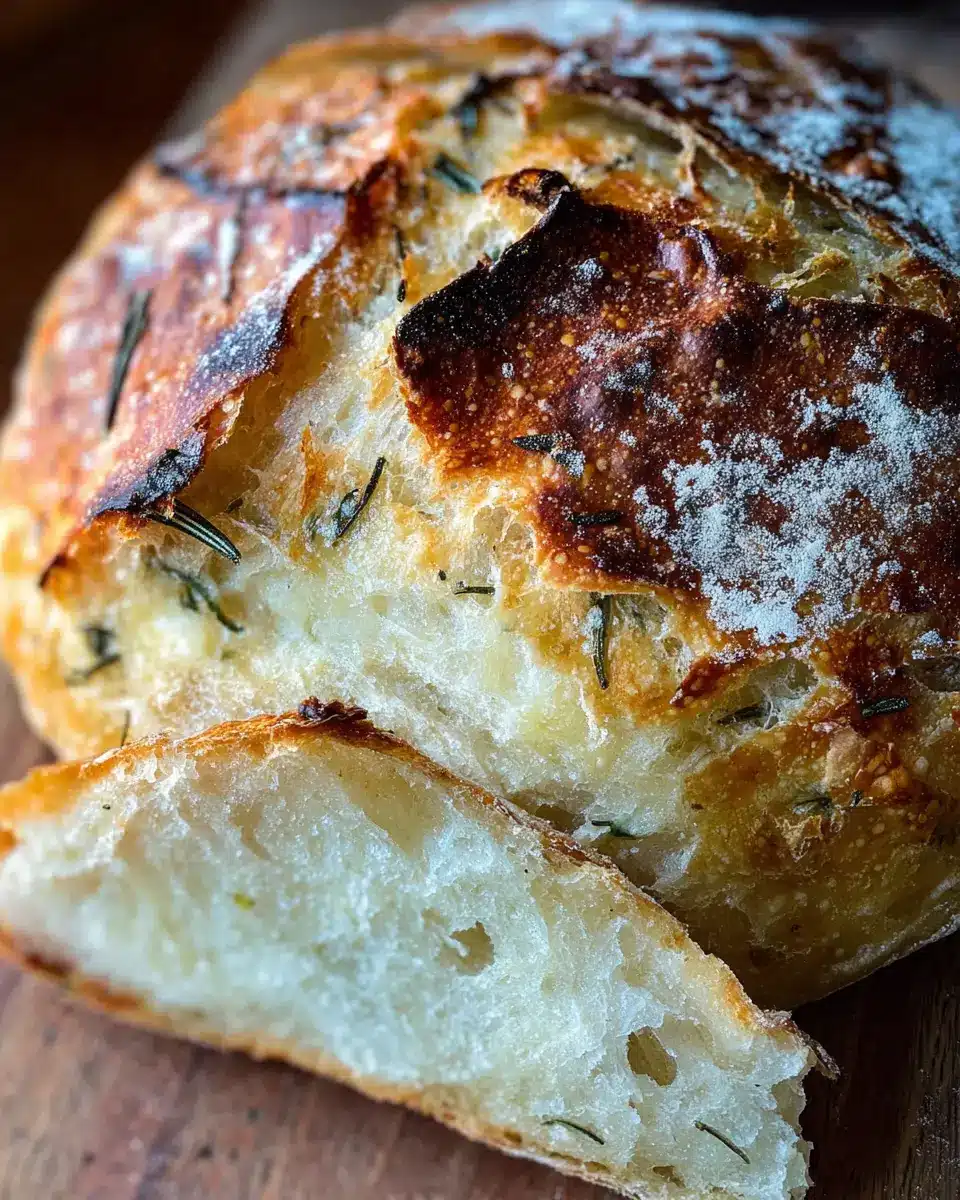
Variations on Rosemary Parmesan Artisan Bread
Adding olives for a Mediterranean twist
If you're in the mood for a Mediterranean flair, try incorporating olives into your Rosemary Parmesan Artisan Bread. Just add about 1 cup of pitted Kalamata or green olives to the dough before the first rise. The rich, briny flavor will harmonize beautifully with the Parmesan and rosemary, creating a delightful taste contrast. This variation pairs perfectly with olive oil for dipping or can be served alongside a cheese platter. To learn more about pairing olives with bread, check out this article from The Spruce Eats.
Swapping rosemary for other herbs
Feel free to experiment with flavors by swapping out the rosemary! Fresh thyme, basil, or a mix of Italian herbs can give your artisan bread an entirely new personality. For example, using fresh thyme will impart a slightly sweeter taste that complements the nuttiness of the Parmesan. Just remember to adjust the quantity based on your herb’s potency; a tablespoon is usually a great place to start. Explore other herb options and get creative with your bread baking! Want more on using herbs in baking? Refer to this resource from Bon Appétit.
Cooking Tips for Rosemary Parmesan Artisan Bread
Importance of Flour Type
Using the right flour is crucial for your Rosemary Parmesan Artisan Bread. Opt for high-protein bread flour to achieve the best structure and texture. This flour helps trap air bubbles during fermentation, resulting in a light and airy crumb. If you choose all-purpose flour or a gluten-free blend, consider reducing the Parmesan and cutting it into smaller pieces. This adjustment is essential since alternative flours may not provide the same dough strength.
Factors Affecting Rise Time
Several factors can influence the rise time of your bread. Ambient temperature, humidity, and even the type of yeast you use can make a difference. Aim for a warm environment, ideally between 70°F and 75°F. If you find your dough doesn't rise as expected, don’t panic! Adjustments like moving the bowl to a warmer spot or extending the rise time can help you achieve that perfect loaf. Be patient; sometimes, great things take time! For more details on optimizing bread rising, check out resources from King Arthur Baking or Food52.
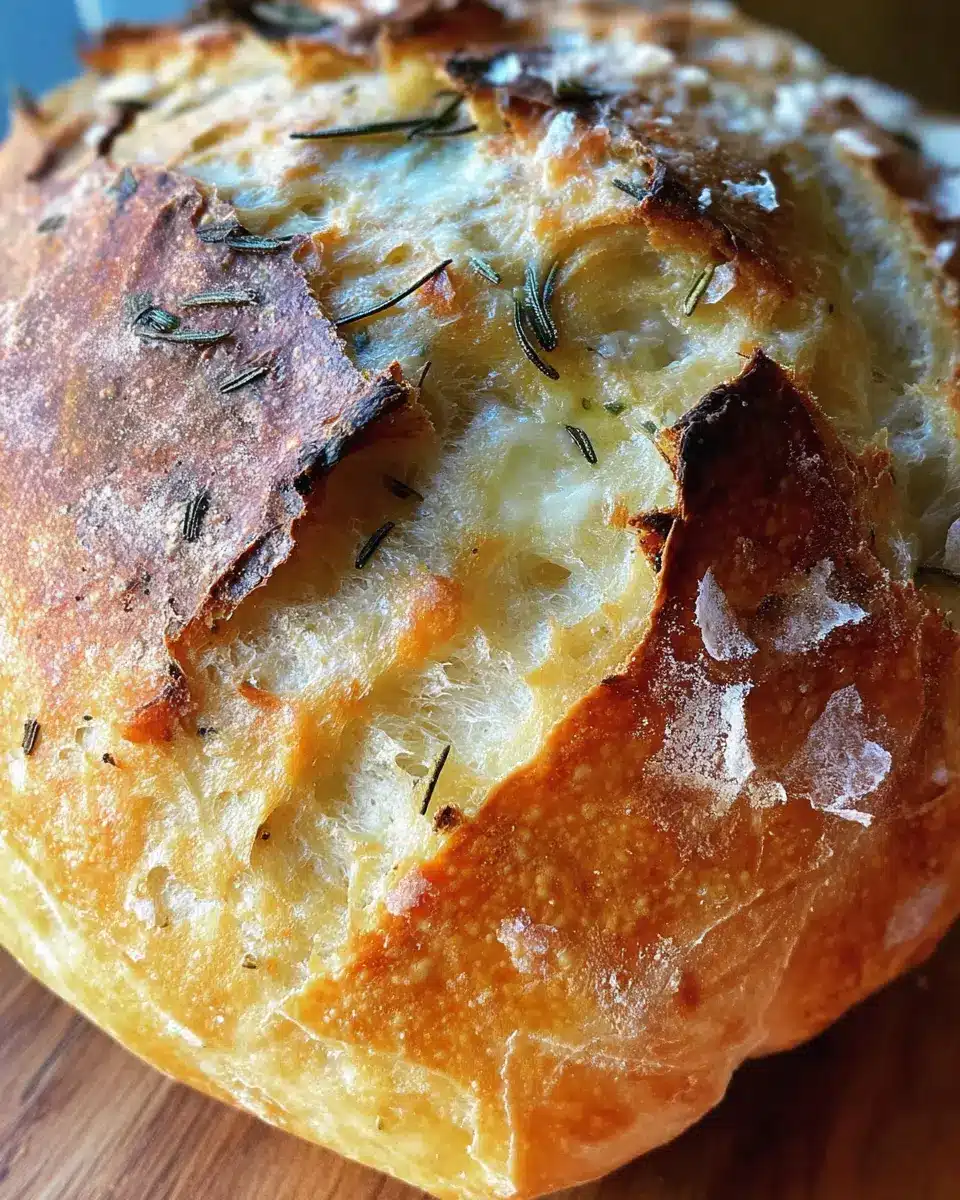
Serving suggestions for Rosemary Parmesan Artisan Bread
When it comes to enjoying your Rosemary Parmesan Artisan Bread, the possibilities are endless! Here are a few delightful suggestions:
Perfect pairings for meals
This bread pairs beautifully with a variety of dishes. Try it alongside:
- Soup: A warm bowl of minestrone or creamy tomato soup complements the bread's rich flavors.
- Salads: Serve it with a fresh garden salad or a Mediterranean quinoa salad for a hearty meal.
- Spreads: Enjoy it with olive oil and balsamic vinegar for dipping, or top it with creamy goat cheese and sun-dried tomatoes.
Creative uses for leftover bread
Don’t let any slices go to waste! Here are some fun ideas for leftover Rosemary Parmesan Artisan Bread:
- Croutons: Cube the bread, toss it with olive oil, garlic, and herbs, then bake until crispy for the perfect salad addition.
- Bread pudding: Transform stale bread into a delicious dessert by incorporating eggs, milk, sugar, and your favorite added flavors.
- Bruschetta: Toast slices and top with diced tomatoes, basil, and a drizzle of olive oil for a quick appetizer.
With these suggestions, your Rosemary Parmesan Artisan Bread will be the star of any meal. Happy baking!
Time Breakdown for Rosemary Parmesan Artisan Bread
When you embark on making this delicious Rosemary Parmesan Artisan Bread, it's essential to plan your time wisely. Here's a breakdown to help you prepare:
Preparation Time
Approximately 20 minutes are needed to mix your ingredients and get the dough ready for its first rise.
Rise Time
Expect the dough to rise for about 8-10 hours, ideally overnight. This slow fermentation enhances flavors and texture, giving you that artisan quality we all crave.
Baking Time
Once it's risen, the actual baking time will take around 45-50 minutes. This includes both the covered and uncovered baking stages for that perfect crust.
Total Time
In total, you'll spend about 18 hours from preparation to the moment you enjoy your fresh bread. Most of that time is waiting for the dough to do its magic, so it’s a low-effort, high-reward endeavor!
With a little planning, you can impress friends and family with your homemade Rosemary Parmesan Artisan Bread. Happy baking!
For more insights on sourdough techniques, consider checking King Arthur Baking or The Fresh Loaf for fantastic resources.
Nutritional facts for Rosemary Parmesan Artisan Bread
When indulging in a slice of Rosemary Parmesan Artisan Bread, knowing the nutritional facts can help you make informed choices. Here’s a quick breakdown:
- Calories: Each slice contains approximately 150 calories, making it a delicious yet guilt-conscious treat.
- Carbohydrates: Packed with about 30 grams of carbohydrates per serving, this bread provides a hearty energy boost.
- Protein: With about 6 grams of protein in each slice, it’s a satisfying option to pair with your favorite protein-rich toppings like turkey bacon or chicken ham.
Understanding these nutritional aspects can help you enjoy this artisan bread while balancing your dietary needs. For more information on bread nutrition and healthy eating, check out resources from Healthline and other reputable nutrition sites.
FAQ about Rosemary Parmesan Artisan Bread
How can I ensure my bread rises properly?
To achieve that perfect rise for your Rosemary Parmesan Artisan Bread, it's essential to ensure that your dough is kept in a warm, draft-free environment—ideally between 70º-75ºF (20º-23ºC). If your kitchen is on the cooler side, consider placing the dough in an oven that's turned off but has just been warmed slightly, or even using a proofing box if you have one. Remember, patience is key! Your dough should double in size within 8-10 hours, but it may need more time at lower temperatures.
What if I don't have a Dutch oven?
No Dutch oven? No problem! You can use any oven-safe pot with a lid, or create steam in your oven by placing a baking dish filled with water on the bottom rack while your loaf bakes. Just make sure your pot is large enough to accommodate the loaf as it rises.
Can I use whole wheat flour?
Absolutely! You can substitute some of the bread flour with whole wheat flour to create a heartier loaf. However, keep in mind that whole wheat flour absorbs more moisture, so you may need to increase your water slightly. Aim for a balanced mix—perhaps 25% whole wheat to start—and follow the adjustments in the Rosemary Parmesan Artisan Bread recipe for best results.
For more helpful baking tips, check out King Arthur Baking for expert advice!
Conclusion on Rosemary Parmesan Artisan Bread
In conclusion, this Rosemary Parmesan Artisan Bread is not just a recipe—it's an experience. It’s bursting with flavor and has an irresistible crust that makes it perfect for any meal. Try it fresh out of the oven, and you won't be able to resist going back for seconds!
For more delicious bread ideas, check out some artisan bread techniques to elevate your baking skills!

Rosemary Parmesan Artisan Bread
Equipment
- Digital scale
- spatula
- Dough scraper
- 4 Qt mixing bowl
- parchment paper
- 3 Qt Dutch oven
Ingredients
- 1.5 cups water, room temperature (at or near 70°F/21°C)
- 1 teaspoon active dry yeast
- 3.5 cups bread flour plus more for dusting
- 1 teaspoon kosher or fine sea salt
- 2 tablespoons finely chopped rosemary
- 1.5 cups cubed Parmesan see note below if baking with alternative flours
Instructions
- Add the yeast to the water and let it sit for 10-15 minutes. In a large mixing bowl, whisk together flour, salt and rosemary until evenly distributed. Let sit for 10 minutes.
- Add water and yeast to the bowl and mix just until combined. The dough should look a little sticky and stringy and there should still be a little flour around the edges of the bowl.
- Cover and let rise somewhere warm until it has doubled in size, about 8-10 hours.
- Once the dough has doubled in volume, use your hands (or a dough scraper if you have one) to pull the dough out onto a floured surface. With floured hands, gently fold the dough into itself several times just until it holds together. Next, carefully stretch and smooth out dough into a rectangular shape and press Parmesan cubes into dough. Roll up dough into a log shape, adding bits of flour as needed to prevent sticking, and fold the ends underneath. Sprinkle with a little more flour and continue to gently shape the dough just until a flour-covered ball is formed. Lift and place the dough into a flour dusted bowl.
- Dust with flour, cover and refrigerate overnight. You can even leave it for as long as 48 hours at this point if you’re not able to bake it right away.
- When you're ready to bake your bread, preheat oven to 450ºF (232ºC) with your Dutch oven inside the oven.
- Uncover then turn the dough out onto a lightly floured surface seam side down. If needed, gently turn it with your hands and nudge it into the shape of a loaf. Place it on a sheet of parchment paper and score the top with a razor blade or the tip of a sharp knife with a design of your choosing.
- Once the oven is preheated, remove the Dutch oven from the oven and transfer the dough, still on the parchment, into the Dutch oven. Cover and bake for 30 minutes, then remove the cover and bake for 15-20 minutes more. Your bread will be done once the top is browned, and it sounds hollow when you tap the top.
- Using parchment edges, lift bread from Dutch oven and transfer it to a wire cooling rack to let cool for at least an hour before slicing.




Leave a Reply