
Introduction to Carbonara Recipe
Why Carbonara is the Ultimate Comfort Food
If you're searching for a dish that marries simplicity with rich, comforting flavors, look no further than the classic carbonara recipe. This Italian staple, traditionally made with guanciale, eggs, and parmigiano reggiano, offers a luxurious taste experience that is undeniably satisfying. It's no wonder that carbonara has earned the title of the ultimate comfort food for many!
In just 20 minutes, you can whip up this delectable dish that exemplifies the beauty of Italian cuisine—drawing on fresh ingredients to create something truly special. The magic lies in the way the egg and cheese combine with the heat of the pasta, forming a creamy sauce that clings to every strand. You might remember that first time you savored a bowl of carbonara—it’s a moment that lingers!
Experts often argue the merits of traditional versus modern interpretations. Check out this article from Bon Appétit for some fun insights on carbonara’s evolution. And for those wanting to give it a try at home, brace yourself for an easy yet impressive cooking experience that’s perfect for date night or a cozy solo dinner. Trust me, you won't want to miss out!
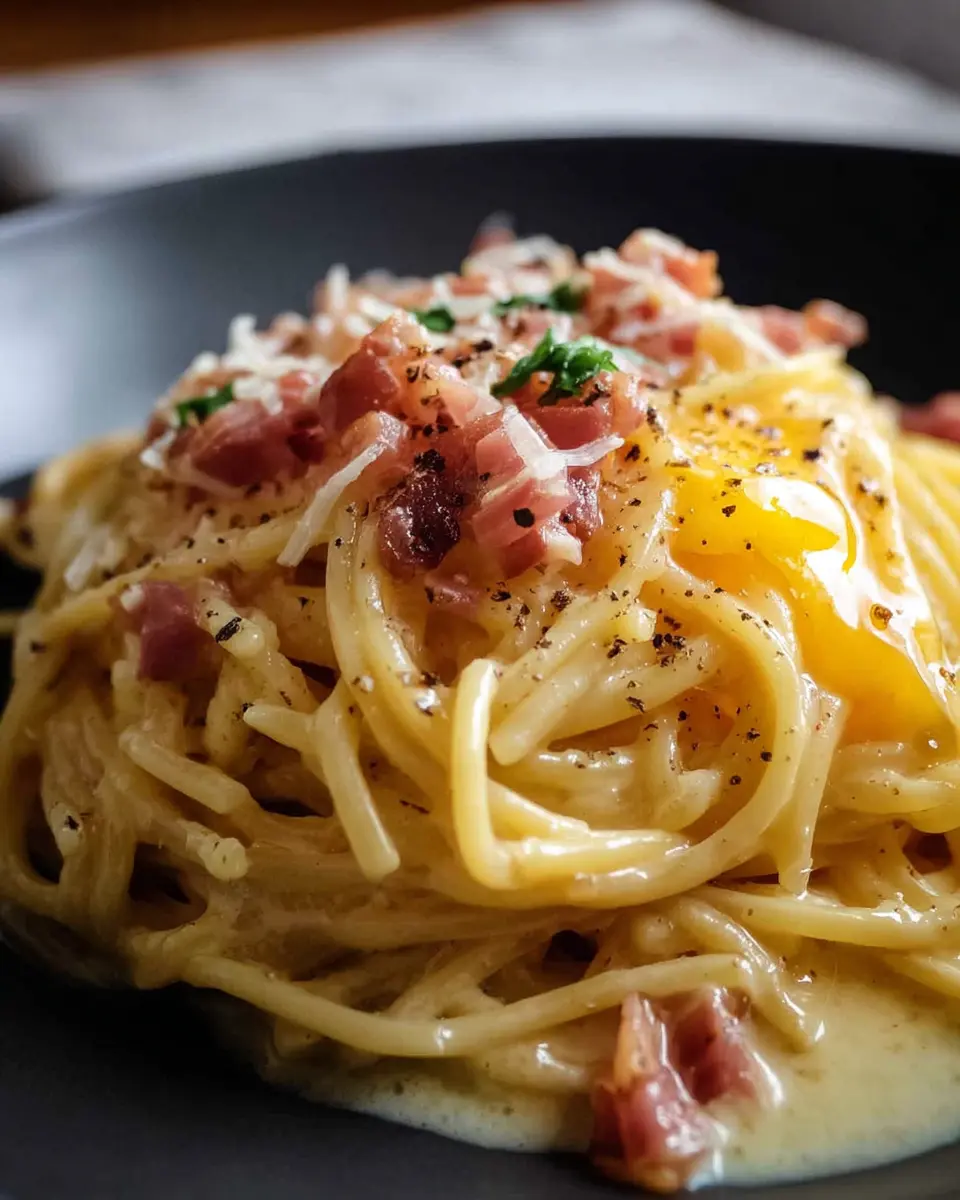
Ingredients for Carbonara Recipe
Essential Ingredients for Traditional Carbonara
To create an authentic carbonara recipe, you’ll need a handful of high-quality ingredients. Here’s what you should gather:
- 175g (6 oz) guanciale (or pancetta/block turkey bacon) for that rich, savory flavor.
- 2 large eggs and 2 egg yolks, which form the creamy base of the sauce.
- 100g (3.5 oz) Parmigiano Reggiano, finely shredded for a luxurious texture.
- ¼ teaspoon black pepper to season the dish perfectly.
- 400g (14 oz) spaghetti, the classic pasta choice that holds the sauce beautifully.
Lastly, don’t forget a tbsp of cooking/kosher salt for the pasta water and ½ cup pasta cooking water to help achieve the right sauce consistency.
Optional Ingredients for Customization
While the traditional recipe is delightful on its own, you might want to customize your dish a bit. Here are some optional ingredients to consider:
- 1 garlic clove, finely minced for an extra kick of flavor.
- Parsley, finely chopped for a pop of color and freshness when serving.
- You could also experiment by adding vegetables like spinach or peas for added nutrition.
Feel free to adjust these ingredients according to your taste, but remember that simplicity is key to the carbonara experience. Want to dive deeper into Italian cuisine? Check out this link to Italian cooking techniques for expert insights!
Step-by-Step Preparation of Carbonara Recipe
Creating a carbonara recipe from scratch is an incredibly rewarding experience! With its creamy, indulgent sauce and rich flavors, you'll feel like a culinary pro by the end of this process. Let’s dive into the step-by-step preparation!
Gather Your Ingredients
Before you start cooking, it’s vital to have everything prepped and ready. For authentic carbonara, you'll need:
- 175g/6 oz guanciale or substitute with beef alternatives like turkey bacon
- 2 large eggs
- 2 egg yolks
- 100g/3.5 oz Parmigiano Reggiano, finely shredded
- ¼ teaspoon black pepper
- 400g/14 oz spaghetti
- 1 tablespoon cooking/kosher salt (for pasta)
- ½ cup pasta cooking water
- Optional: 1 garlic clove, finely minced
Make sure to select high-quality ingredients, especially the cheese and guanciale, to enhance the overall flavor of your dish. If you're curious about the origins of carbonara, consider checking resources about its history here.
Prepare the Guanciale
Let’s move on to the star of the show—your guanciale. Cut it into 0.5 cm (⅕ inch) thick slices, followed by cutting them into batons. If you’re opting for turkey bacon, cut that similarly. Heat a non-stick pan over medium-high heat, no oil necessary—when the guanciale heats up, it’ll release its fat and begin to fry. Cook for about 4–5 minutes or until golden and crispy. If you love garlic, toss it in during the last minute!
Whisk the Eggs and Cheese
While the guanciale is sizzling, grab a large bowl and mix your eggs and yolks together. Use a whisk to combine them until fully blended. Once that’s done, gradually fold in the finely shredded Parmigiano Reggiano and black pepper, creating a rich and creamy mixture that will become your sauce.
Cook the Pasta Perfectly
Now, let’s talk pasta! Bring 4 liters (4 quarts) of salted water to a boil. Add 400g (14 oz) of spaghetti and cook according to the package instructions until al dente. Just before draining, scoop out 1 cup of the pasta cooking water, which will help emulsify the sauce later.
Combine Pasta with Guanciale and Sauce
Once your pasta is drained, transfer it into the pan with the cooked guanciale. Toss it to coat the pasta with that delicious, flavorful fat. Then, transfer the pasta mixture into the bowl containing your egg and cheese mixture. Pour in ½ cup of the reserved pasta water and stir vigorously. The key here is to mix quickly which allows the heat from the pasta to cook the eggs, creating that silky sauce that carbonara is known for.
Serve Immediately for Maximum Enjoyment
For the best carbonara experience, serve right away! Transfer the pasta to warm bowls and sprinkle with extra Parmigiano Reggiano and a bit of chopped parsley, if desired. Enjoy every creamy bite, and don’t forget to savor the moment—you've just made a classic dish!
If you want more insights into traditional Italian cooking, consider checking out related recipes. Happy cooking!
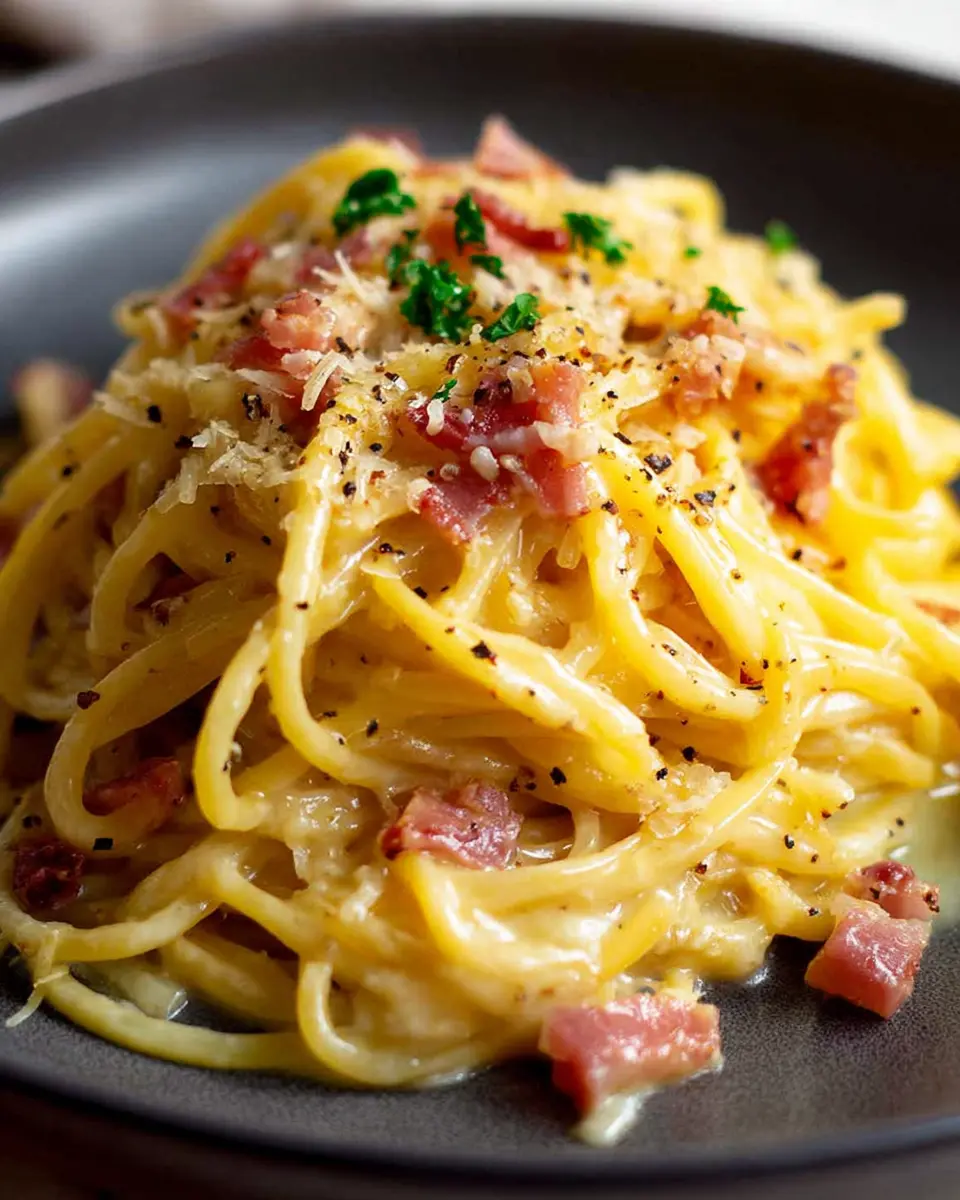
Variations on Carbonara Recipe
Creamy Carbonara with a Twist
If you're craving a creamier version of your traditional carbonara, consider adding a splash of heavy cream or mascarpone cheese for a luxurious texture. You can also enhance the depth of flavor by incorporating sautéed mushrooms or grilled chicken ham, giving your dish a succulent twist while still honoring the classic essence of carbonara. Try this delicious variation and elevate your weeknight dinner—it’s a true crowd-pleaser!
Veggie-Packed Carbonara for a Healthy Spin
Looking to lighten things up? A veggie-packed carbonara recipe brings in seasonal vegetables like spinach, zucchini, or asparagus. Sauté them lightly before tossing with your pasta for extra nutrition and a pop of color. For a hearty feel, consider using whole-wheat pasta or chickpea-based options. These adjustments won't just make your dish healthier but will also introduce new flavors that balance beautifully with the richness of the carbonara sauce.
By incorporating these variations, you can enjoy the signature taste of carbonara while adding your personal flair!
Cooking Tips and Notes for Carbonara Recipe
Importance of Timing in Carbonara
When preparing your carbonara recipe, timing is everything. As soon as the pasta is cooked, it needs to be tossed with the guanciale and swiftly mixed with the egg mixture. The residual heat from the pasta is what transforms the raw eggs into a luscious sauce. If you wait too long, the sauce will be clumpy instead of creamy. To master this, have all your ingredients ready before you start cooking!
Storing Leftovers: What You Need to Know
While carbonara is best enjoyed fresh, you might have some leftovers. If so, they can be stored in an airtight container in the fridge for up to three days. However, keep in mind that the pasta may become a bit dry. To rejuvenate the dish, you can reheat the leftovers in a skillet with a splash of chicken broth or water to regain some creaminess. For more tips on storing pasta, check out The Kitchn's guide on reheating pasta.
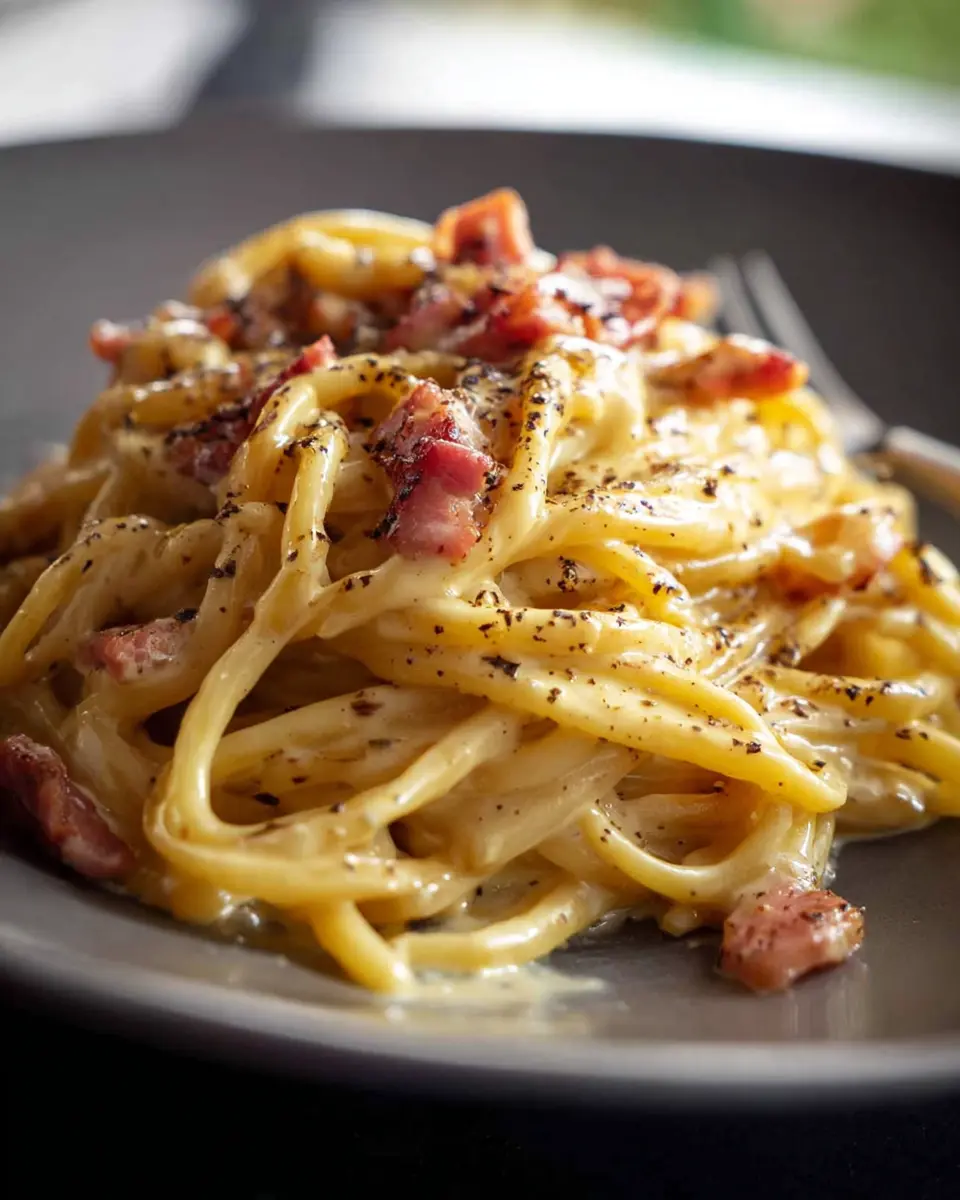
Serving Suggestions for Carbonara Recipe
Best Pairings for Carbonara
To elevate your carbonara recipe, consider pairing it with a fresh side salad. A simple arugula salad with lemon vinaigrette adds a delightful peppery bite that contrasts beautifully with the rich pasta. You might also enjoy crusty garlic bread or a light vegetable antipasto platter for that extra touch. If you're looking for a beverage, a sparkling water with lemon or a light herbal tea can cleanse your palate.
Creative Serving Ideas
For a fun twist, experiment with plating your carbonara in a ramekin and topping it with a poached egg for an elegant touch. Consider garnishing with crispy turkey bacon bits or even some sautéed mushrooms for added depth of flavor. Another option is to serve the dish with a fine sprinkle of parmigiano reggiano and fresh parsley atop, bringing visual appeal alongside delightful aromas.
Exploring different serving presentations can transform a classic meal into a memorable dining experience!
Time Breakdown for Carbonara Recipe
Preparation Time
Get ready to dive into this delicious carbonara recipe! The prep time is just 5 minutes, ensuring you can quickly gather your ingredients and zest for cooking.
Cooking Time
The actual cooking time is 15 minutes, perfect for those nights when you crave a delightful meal without spending hours in the kitchen.
Total Time
In just 20 minutes, you can whip up this amazing carbonara, making it an ideal choice for busy weeknights or last-minute gatherings with friends. Enjoy every creamy, savory bite!
For more tips on perfecting your pasta-making skills, check out this handy guide on cooking pasta from Serious Eats!
Nutritional Facts for Carbonara Recipe
Calories per Serving
A traditional carbonara recipe typically contains around 550-600 calories per serving. This delicious dish is rich in flavor but mindful of portion sizes to maintain a balanced diet.
Protein Content
Each serving packs a satisfying protein punch, offering about 25-30 grams. Most of this protein comes from the combination of turkey bacon and eggs, making it perfect for those looking to fuel their bodies post-workout.
Fat and Sodium Levels
The fat content in a classic carbonara can range from 25 to 35 grams per serving, largely due to the turkey bacon and cheese. It’s important to note the sodium level, which can be approximately 800-900 mg, so consider pairing with a fresh salad or veggies to balance your meal.
For more insights into healthy eating habits, check out the USDA's dietary guidelines or explore how to adjust recipes for health without sacrificing flavor!
FAQs about Carbonara Recipe
Can I Make Carbonara Without Eggs?
Absolutely! While traditional carbonara relies on eggs to create that creamy texture, you can use alternatives like silken tofu or cashew cream for a vegan option. Just keep in mind that you'll miss out on the rich flavor that eggs traditionally provide.
What Can I Use Instead of Guanciale?
If you can't find guanciale at your local store, don't worry! You can easily substitute it with turkey bacon or chicken ham. These alternatives will still give you that necessary fat to help bind the sauce, but they may alter the flavor slightly. Steer clear of lean cuts if you want a creamy consistency in your sauce.
How Do I Know When My Pasta Is Done?
To achieve perfect pasta, look for that desired al dente texture. Typically, this is about two minutes less than the package instructions suggest. Taste it! It should be firm to the bite but cooked through, and don't forget to save some pasta water before draining for a silkier sauce.
For more on pasta cooking times, check out resources like Italian Food Forever.
Conclusion on Carbonara Recipe
In conclusion, this carbonara recipe is not just a meal; it's a culinary experience! The creamy sauce, created with eggs and exquisite parmigiano reggiano, is something you'll want to enjoy fresh. Share this delightful dish with friends and savor each luxurious bite. Buon appetito!
Carbonara
Equipment
- non-stick pan
- large bowl
- Wooden spoon
Ingredients
Main Ingredients
- 175 g guanciale (pancetta or block bacon, weight after skin removed)
- 2 large eggs (Note 2)
- 2 large egg yolks (Note 2)
- 100 g parmigiano reggiano (or pecorino romano, finely shredded, sub parmesan, Note 3)
- ¼ teaspoon black pepper
- 400 g spaghetti
- 1 tablespoon cooking/kosher salt (for cooking pasta)
- ½ cup pasta cooking water
- 1 clove garlic (finely minced, optional, Note 4)
Garnish
- parsley (finely chopped)
- parmigiano reggiano
Instructions
Preparation
- Cut guanciale into 0.5cm / ⅕" thick slices then into batons.
- Place eggs and yolks in a large bowl. Whisk to combine. Then stir in the parmesan and pepper.
- Bring 4 litres (4 quarts) of water to the boil with the salt. Add pasta and cook per the packet directions.
- Just before draining, scoop out 1 cup of pasta cooking water, then drain the pasta.
- Place guanciale in a non-stick pan over medium high heat. Cook for 4 to 5 minutes until golden. If using garlic, add it in the last minute.
- Tip the hot pasta into the pan and toss to coat in guanciale fat.
- Transfer the pasta and any residual fat in the pan into the bowl with the egg. Add ½ cup (125 ml) pasta cooking water. Stir vigorously using the handle of a wooden spoon for 1 minute and watch as the sauce transforms from watery to creamy and clings to the pasta strands!
- Transfer into warm bowls. Serve immediately, garnished with a little extra parmigiana reggiano if desired, and a pinch of black pepper and finely chopped parsley.


Leave a Reply